



Optimizing LoRaWAN Networks: Enhance Signal Strength and Mitigation Strategies
Within the sphere of IoT and connected gadgets, LoRaWAN has become a leading protocol for long-range wireless communication. This article explores various approaches to LoRaWAN network performance enhancement, emphasizing tuning network efficiency, boosting signal quality, managing interference, and refining data rate settings. Discover the ways these strategies can significantly improve the reliability and effectiveness of your network.
Understanding LoRaWAN Network Optimization
LoRaWAN is a cornerstone technology within the IoT connectivity solutions realm, widely acknowledged for delivering long-range wireless communication with low power consumption. Its framework incorporates key elements such as gateways, network servers, and end nodes, all vital in enabling smooth data flow across great distances. The LoRaWAN protocol is crafted to support effective network functionality by including features like LoRaWAN adaptive data rate and LoRaWAN network security. This design guarantees devices stay linked while minimizing power use, which greatly enhances battery longevity.
For achieving peak efficiency, LoRaWAN network performance enhancement is crucial. It plays an indispensable role in ensuring the network works effectively and that device batteries last longer. Tackling obstacles such as signal disruption and network delays is an essential part of optimizing the system. Furthermore, preserving ideal network conditions is key to device durability and guaranteeing dependable data exchange over expansive environments. Factors like physical barriers and environmental influences might interfere with connectivity; therefore, careful strategizing and implementation of LoRaWAN system optimization are indispensable for managing these complications successfully.
Techniques for LoRaWAN Performance Tuning
Enhancing a LoRaWAN network’s efficiency requires a variety of sophisticated approaches that allow devices to communicate reliably across extended distances while conserving energy. A pivotal factor in LoRa network optimization is the Adaptive Data Rate (ADR) feature. ADR smartly modifies the data rate per device depending on signal quality, which boosts throughput and saves power simultaneously. By fine-tuning transmission variables such as frequency, spreading factor, and bandwidth, ADR notably strengthens network capacity and reliability.
Another essential aspect is adjusting power levels. Operating at the minimum effective power decreases battery drain and extends device longevity without sacrificing signal integrity. Additionally, tuning bandwidth settings can elevate performance, as a wider bandwidth supports faster data rates but might reduce receiver sensitivity.
A practical illustration of effective tuning is seen in smart city LoRa applications, where uninterrupted data exchange is vital. In metropolitan environments, adaptive strategies enable devices to function efficiently despite challenges posed by environmental and structural interference. By leveraging ADR and meticulous parameter adjustments, cities achieve smooth operations with minimal upkeep. Applying these tuning methods allows you to harness the full capabilities of your LoRaWAN, creating a durable and dependable communication framework.
Strategies for LoRaWAN Interference Mitigation
Maintaining dependable performance in LoRaWAN networks requires effective interference control techniques. Sources of disruption often come from co-channel interference caused by overlapping frequencies, as well as environmental noise that degrades signal strength. By deploying robust interference mitigation methods, potential challenges can be turned into advantages, ultimately enhancing LoRaWAN network performance enhancement.
One proven approach is frequency agility in LoRaWAN. By dynamically switching channels, these systems steer clear of crowded frequencies, reserving clearer bands for essential data transmission. This not only boosts efficiency but also reduces packet loss significantly. Additionally, installing physical barriers like metallic shields can help deflect interference, particularly in zones prone to intense electromagnetic disturbances.
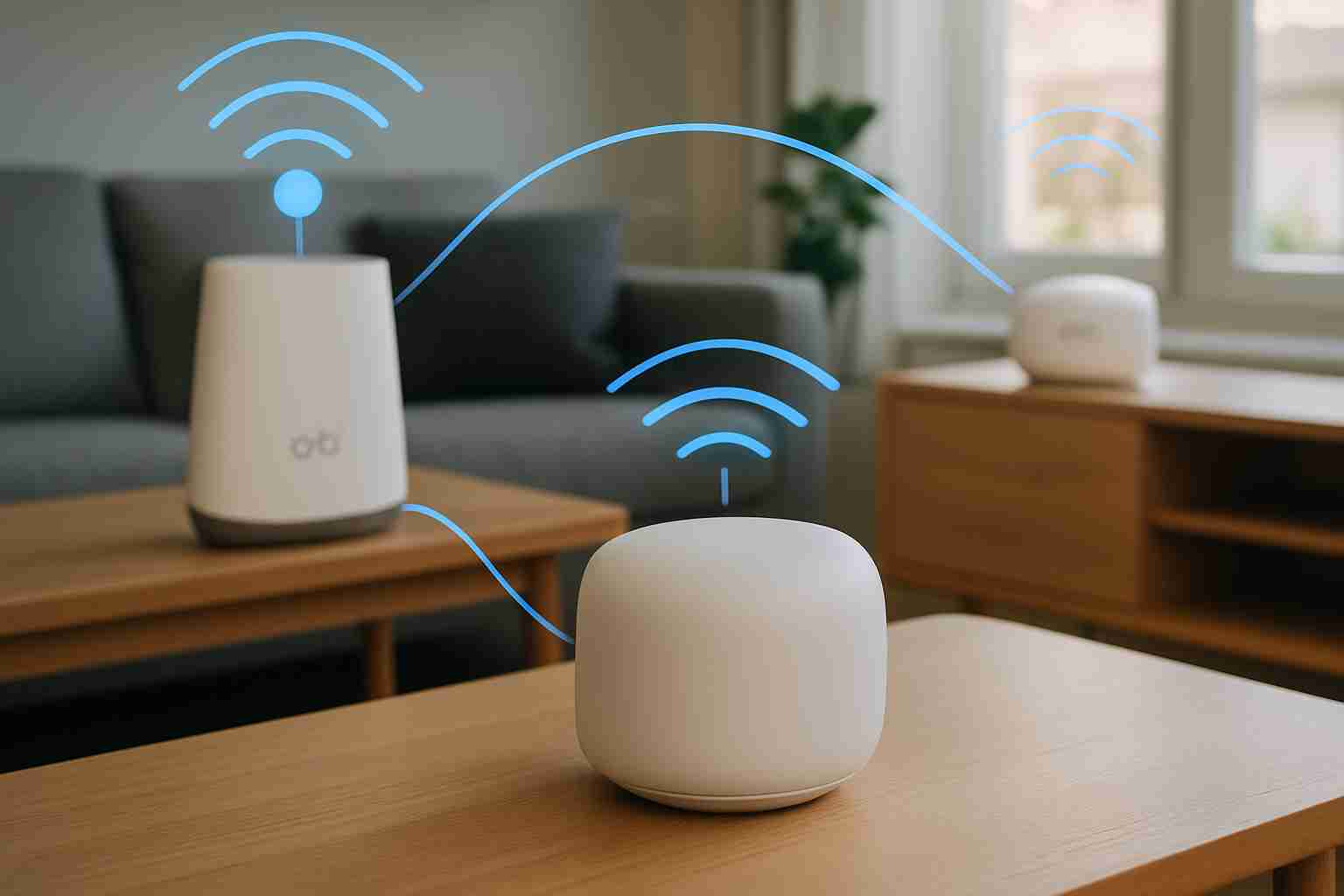
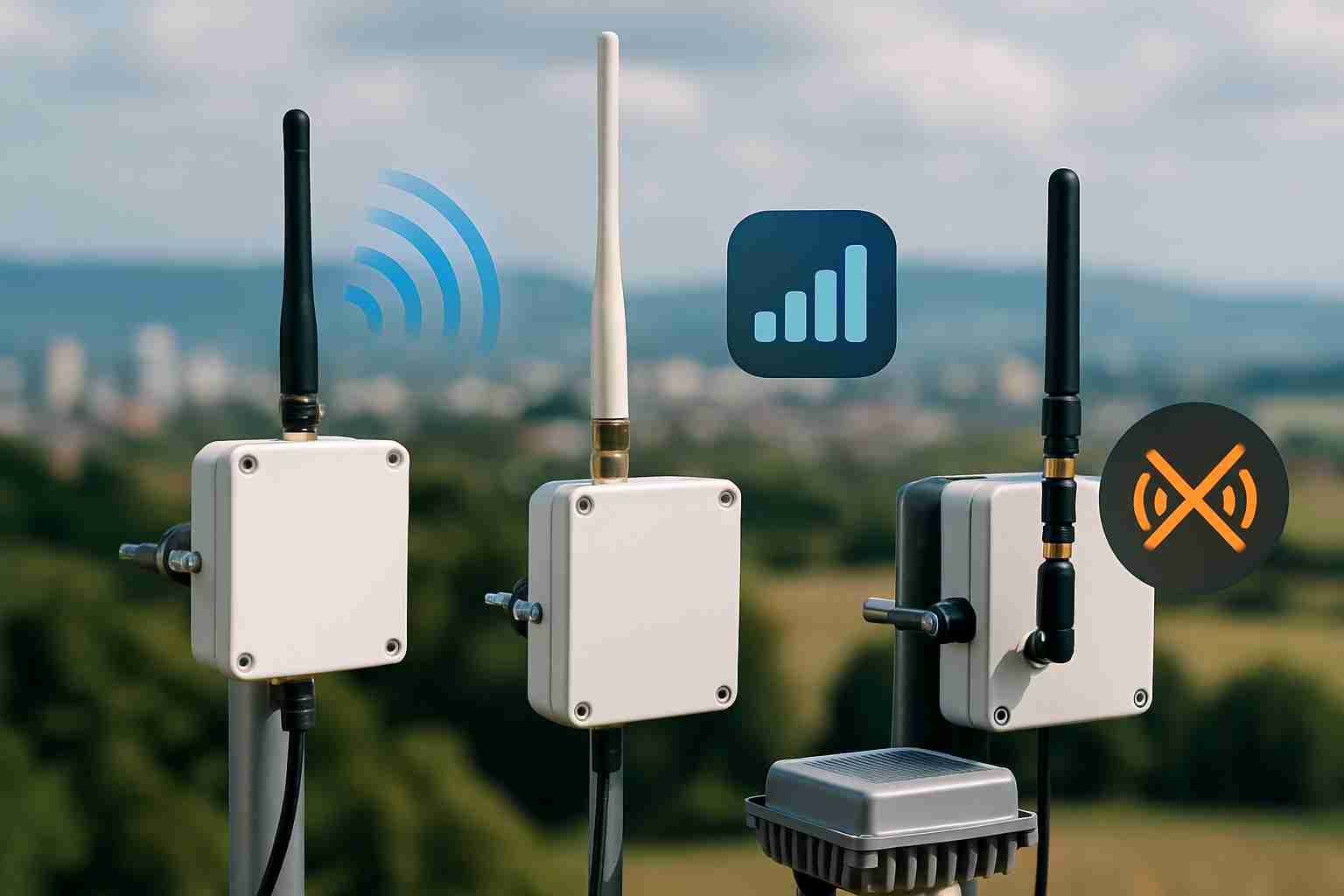
Optimizing network topology is another key tactic for managing interference. Thoughtful gateway and node placement fosters even coverage and limits overlap, which cuts down on co-channel interference and strengthens LoRaWAN network robustness. The use of high-gain antennas for LoRaWAN can further refine this by concentrating signal paths and avoiding spillover into interference-heavy areas.
Putting these signal interference suppression strategies into practice leads to notable LoRaWAN system optimization. The outcome is more stable links, less delay, and improved quality of service. Network operators who address interference head-on unlock the full capabilities of LoRaWAN, enabling efficient and reliable data exchange amid increasing network demands.
Optimizing Data Rates in LoRaWAN Networks
Enhancing the data rates in LoRaWAN networks can profoundly improve both the system’s reliability and efficiency. Because the data rate directly influences the trade-off among range, bandwidth, and power usage, it plays a pivotal role. Transmitting at lower data rates enables extended distances and stronger penetration through barriers, which supports connectivity in hard-to-reach locations. Conversely, higher data rates facilitate quicker communication, decrease latency, and increase overall capacity—key factors for real-time applications.
Adaptive adjustment of data rates represents a sophisticated approach in LoRa network optimization, boosting throughput while reducing delays. This method dynamically modifies transmission speeds depending on network status and device demands. For example, Adaptive Data Rate (ADR) in LoRaWAN automatically tailors data speeds according to signal conditions and network load, improving efficiency and prolonging battery life.
Practical implementations, such as those using Semtech’s LoRa chips, demonstrate effective data rate management by integrating ADR capabilities. This feature highlights how careful tuning can elevate network performance without sacrificing coverage or energy efficiency, unlocking the full advantages of LoRa network optimization methods and delivering resilient connectivity options.
Conclusions
Optimizing a LoRaWAN network requires a comprehensive approach that includes performance tuning, boosting signal strength, managing interference, and calibrating data rates. When these strategies are well understood and implemented, network administrators can improve connectivity, promote effective power usage, and extend the lifespan of their IoT devices, ultimately leading to enhanced reliability and overall performance across various applications.