




Mesh Networking: Revolutionizing Wi-Fi Connectivity for Homes and Beyond
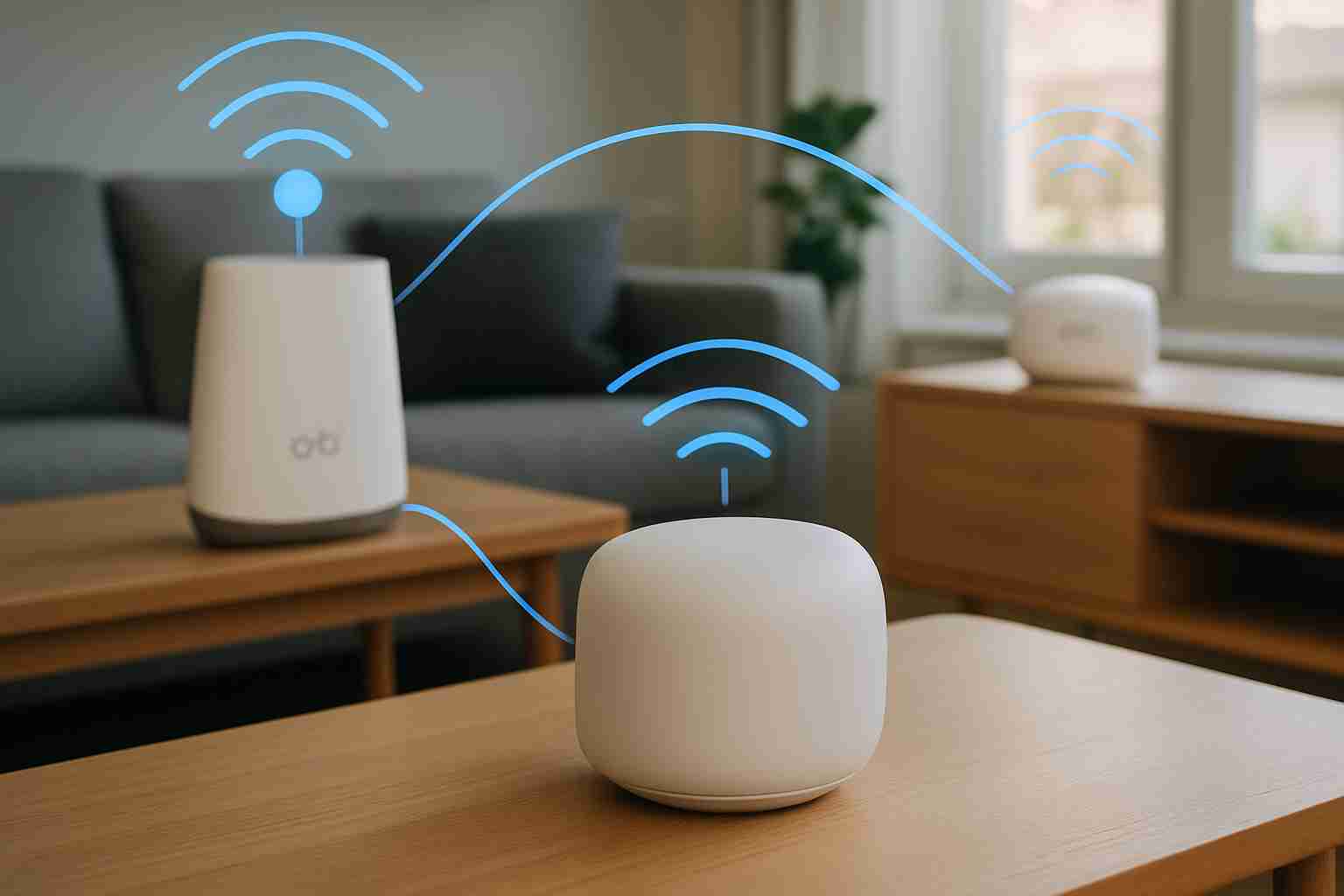
In this digital era, having strong and dependable internet access is essential. Mesh networking technology has become a transformative method to enhance residential Wi-Fi signal throughout homes and workplaces, effectively removing Wi-Fi dead spots. This article delves into the advantages of mesh routers, the top mesh Wi-Fi networks, and how to configure these setups for peak efficiency.
Understanding Mesh Networking Devices
At the core of this groundbreaking technology lie mesh networking devices, which serve as the foundation and provide a significant upgrade from conventional routers. Rather than relying on a single-router system, mesh networks utilize multiple distributed network nodes that collaborate to deliver uninterrupted wireless connectivity throughout your space. Each node functions independently as an access point, guaranteeing reliable connections no matter where you are within the network. Explore the fundamental elements, the mesh networking device roles, and how these components link up to create a unified network structure.
Central to every mesh networking device is a primary router connected directly to a modem, distributing internet access to various satellite wireless mesh nodes. These devices do not compete for bandwidth; instead, they cooperate to maximize coverage and speed. As you move about your residence, your connection seamlessly transitions to the nearest and strongest node without signal loss, unlike conventional extenders that spawn separate networks.
Communication between each wireless mesh node occurs over a dedicated mesh network backbone link, which safeguards user data transmission by keeping it separate from critical router-to-node communications. This design boosts dependability and keeps your connection fast and stable, even during high-demand activities like streaming or gaming. The true strength of mesh networking devices stems from their ability to adapt in real-time to changes in the network, compensating for any node disruptions or interference. Together, they usher in a new era of consistent, robust Wi-Fi environments.
The Best Mesh Wi-Fi Systems on the Market
Selecting the ideal mesh Wi-Fi system can feel overwhelming given the broad selection of products offered today. The mesh network devices available now are designed to suit a variety of environments and requirements. Google Nest Wifi is notable for its intuitive design and flawless integration within residential settings. It’s especially suited for those who value effortless operation combined with dependable coverage. With Nest Wifi’s smart speaker functionality, it also serves as a clever home assistant, enhancing the experience beyond simple connectivity.
For larger areas that demand robust performance, Netgear Orbi is the preferred option. Its tri-band configuration guarantees that data flow remains uninterrupted even under heavy usage like streaming or gaming. The Orbi’s incorporation of Wi-Fi 6 mesh networking technology ensures connectivity that’s ready for the future, making it a leading choice for challenging conditions.
Amazon Eero Pro 6 prioritizes straightforward, secure connectivity by automatically adjusting network parameters to maintain smooth functionality. It’s well-suited for users searching for easy network management paired with strong security measures.
TP-Link Deco M5 presents a cost-effective alternative without compromising vital features. It delivers wide coverage and includes embedded security protocols, ideal for smaller dwellings.
Lastly, Asus ZenWiFi AX appeals to tech-savvy individuals seeking extensive customization and control over their networks. Its powerful hardware and elegant app interface make it a refined option for those aiming to maximize network efficiency.
These mesh network devices represent a key advancement towards smarter, more dependable wireless solutions, with each model tailored to specific preferences and needs.
Setting Up Your Mesh Router for Optimal Performance
Establishing your mesh router correctly is crucial to maximize your home’s network efficiency. Start by situating the primary node of your router centrally, steering clear of barriers and sources of interference such as microwaves or cordless phones. To maintain a robust connection, make sure every node has an unobstructed view of the others. You might want to utilize coverage maps or apps provided by manufacturers to find the best spots for placement.
In areas with dense populations, adjusting network channels can help reduce interference and prevent slowdowns caused by signal congestion. Many routers come equipped with auto-optimization capabilities; activating these allows your system to adapt seamlessly to environmental changes.
A quick restart often fixes temporary connectivity hiccups, but if issues persist, consider repositioning your nodes or tweaking channel settings.
Take advantage of the advanced functions included in many mesh networking devices, such as guest network support and parental controls. Guest networks boost security by isolating visitor devices from your main network, while parental controls assist in managing internet access to provide a safer online experience for children.
The flexibility and responsiveness of mesh networking devices make them an excellent choice for achieving smooth home connectivity.
Exploring Wi-Fi Mesh Technology
Wi-Fi mesh technology marks a major leap forward in connectivity by evenly distributing internet access throughout any area, guaranteeing consistent speeds even during high demand. At the heart of these systems are mesh network devices, which are engineered to self-optimize and minimize congestion. Their effectiveness shines particularly in settings full of numerous connected gadgets, such as contemporary smart homes and small office spaces. The arrival of Wi-Fi 6 mesh networking devices further transforms their performance, delivering faster data throughput and improved efficiency, especially when multiple devices share the same signal channel.
With innovations in automated mesh network upgrades, these setups stay state-of-the-art by quickly adapting to emerging challenges and risks. This technology enables users to experience uninterrupted wireless connectivity as they move through different areas, without needing to manually switch between access points. It represents a vital progression where dependability and speed converge with an intuitive user interface—step into any room and rely confidently on your connection to meet its demands. These adaptive self-correcting Wi-Fi networks provide not only advanced technical capabilities but also a smooth, frustration-free experience, particularly when utilizing mesh network devices designed for effortless integration and steady network performance.
Advantages of a Home Mesh Network
For enhancing your connectivity at home, a residential mesh wifi system provides many perks. By switching to mesh networking devices inside your house, you can eradicate wireless connectivity gaps, ensuring a strong signal reaches every space. Unlike conventional routers, these wireless mesh nodes let your gadgets link effortlessly, allowing you to move around freely without losing your connection. Whether you walk from the living room to the garage, the wireless internet coverage remains consistently reliable.
Another key advantage of mesh systems is the enhancement of security. Frequently equipped with robust mesh network protection mechanisms, they help defend against online threats and offer you reassurance. Moreover, managing the setup is simple thanks to app-based mesh network management, which lets you handle device priority and guest user access with ease. This convenience is extended further by automated mesh network upgrades that boost both the system’s safety and performance without manual intervention.
Cost-effectiveness is also a major plus, particularly in bigger houses or small enterprises where traditional wiring can be complex or pricey. The scalability and flexibility of mesh networking devices allow you to extend the coverage easily by adding more mesh communication nodes over time. This flexible mesh network configuration guarantees your setup grows in line with your evolving requirements, keeping your network future-ready.
Conclusions
Mesh networking is revolutionizing our experience of home internet connectivity. By choosing a dependable premium mesh wireless system and mastering the fundamental setup principles, users gain uninterrupted wireless connectivity throughout their entire home or office. Whether for gaming, streaming, or professional tasks, mesh networks represent the next generation of household connectivity.