



Harnessing the Power of LoRa Mesh Networks for Off-Grid Communication: Exploring Meshtastic, MeshCore, and LoRaWAN
LoRa mesh networks are transforming autonomous communication networks by delivering a sturdy and adaptable framework that leverages energy-conscious wide-coverage networking capabilities. This article explores key innovations such as Meshtastic, MeshCore, and LoRaWAN, highlighting their impact in supporting distributed mesh network systems across diverse fields.
Understanding LoRa Networks
At the core of today’s decentralized communication systems, LoRa networks serve as a crucial foundation, delivering impressive capabilities through their long-range and energy-efficient wide-area communication features. Unlike traditional communication protocols, LoRa is engineered to provide expansive coverage over large geographic zones while optimizing power usage. Such characteristics position it perfectly for IoT long-range communication, where battery-powered IoT devices must function autonomously for extended durations without human intervention.
The primary benefit of LoRa resides in its capacity to span several kilometers while utilizing very little power, distinguishing it from technologies such as Wi-Fi or Bluetooth. This advantage proves invaluable in scenarios that lack accessible power sources or are completely off-grid. Additionally, a notable attribute of LoRa networks is their ability to sustain reliable connectivity amid challenging conditions, guaranteeing steady communication channels despite physical barriers.
Because LoRa signals can penetrate buildings and dense foliage, these networks maintain links across difficult landscapes. This ensures connectivity for even the most isolated nodes, supporting applications across fields like precision agriculture systems and environmental monitoring. Within this realm, the Lora mesh network stands out as an essential component driving the progression of autonomous network infrastructures, firmly establishing itself as a vital asset for diverse useful applications.
The Finesse of Off-Grid Communication
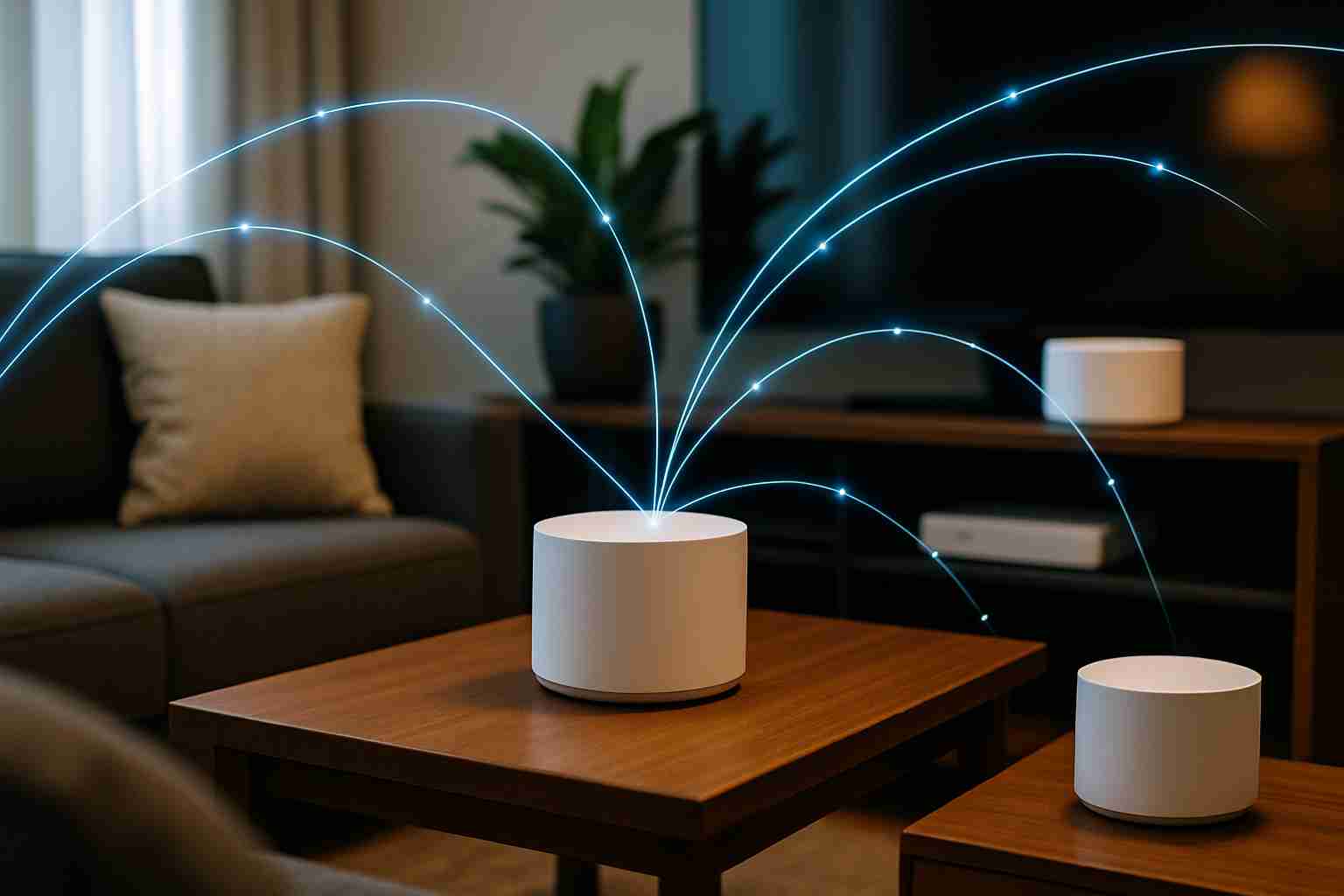
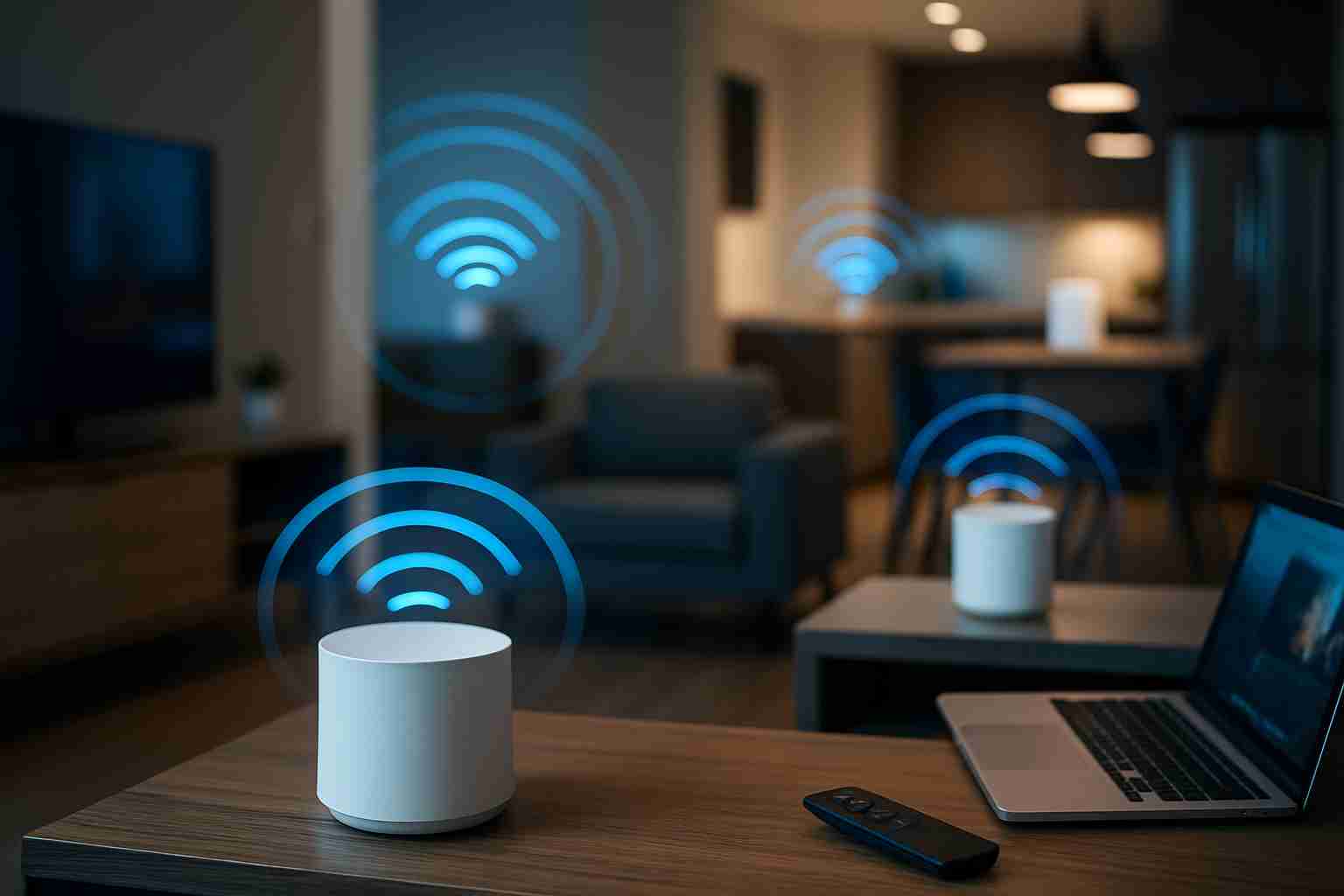
The core of off-grid communication rests in its capacity to enable interaction beyond conventional, centralized infrastructures. In isolated or rural network access zones where typical networks encounter difficulties, technologies such as the Lora mesh network stand out. By linking numerous nodes in a mesh topology, these systems form a sturdy communication route. Every node functions as a separate transmitter and receiver, passing information along to the next node in sequence. This arrangement permits data to traverse broad regions without relying on a central internet connection or cellular service.
When traditional networks break down during disaster recovery, mesh networking solutions provide vital communication channels for rescue missions. These platforms allow first responders to coordinate actions more efficiently, ensuring faster and better-organized interventions. Additionally, outdoor lovers like hikers and campers rely heavily on these networks since they sustain connectivity during excursions, even in the most remote sites.
The strength of these platforms is heightened by their decentralized design. Because they remove the risk of single points of failure common in centralized systems, they deliver a more secure and resilient connection environment. As a result, they represent not just a technical breakthrough but also a strategic shift in how communication is managed, especially in demanding settings.
Diving into Meshtastic
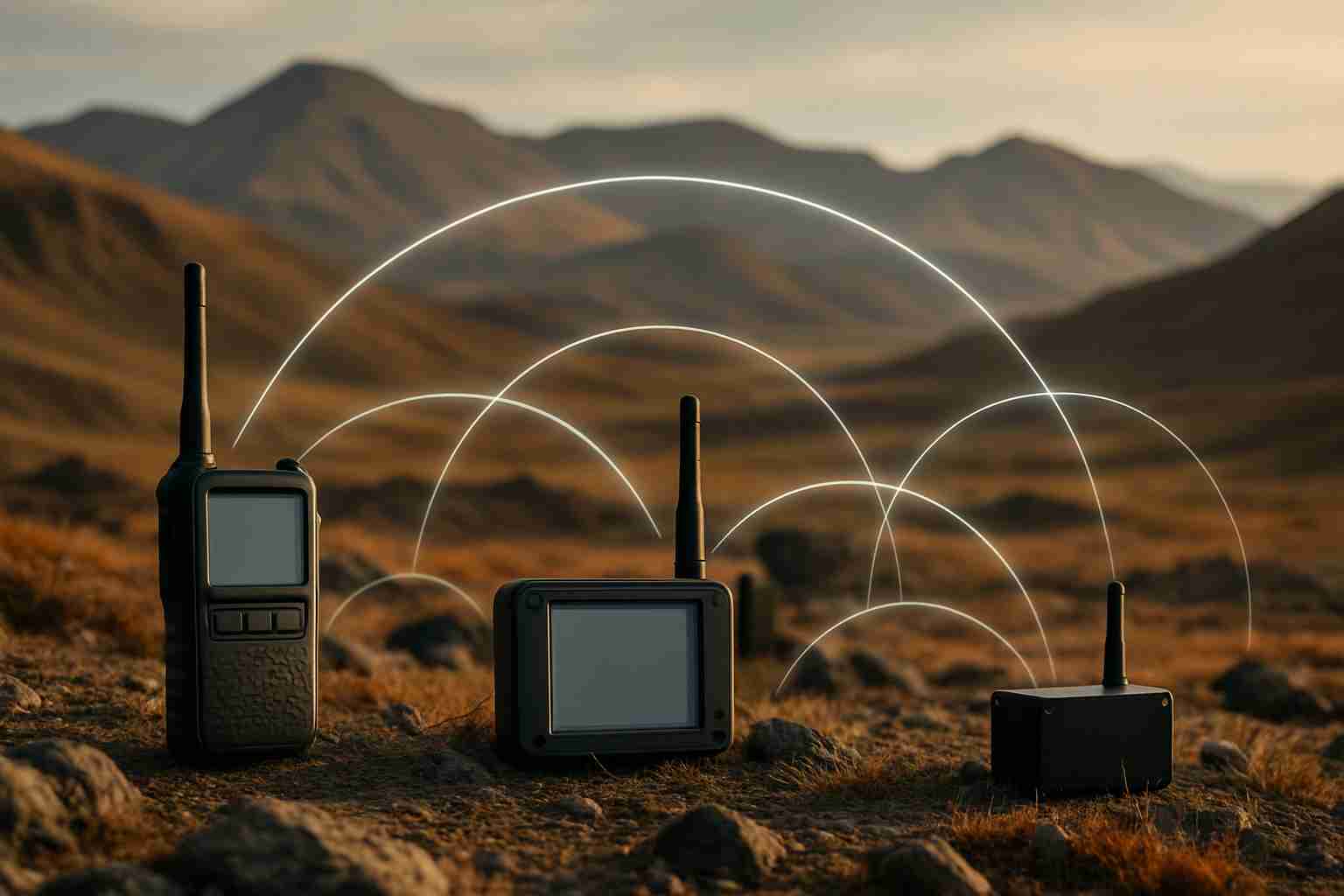
Lora mesh network stands out as a revolutionary approach for regions lacking standard communication infrastructure. Leading the charge, Meshtastic taps into LoRa technology to offer users energy-conscious wide-coverage networking. This cutting-edge platform is distinguished by its smooth fusion of software and hardware, crafted for ease of use and flexibility. Operating on community-driven LoRa firmware, Meshtastic invites contributions from its users, ensuring development remains lively and attuned to evolving needs. The ecosystem largely depends on LoRa-capable devices, such as microcontrollers and transceivers, to create versatile communication pathways.
The hardware involved is straightforward; mainly consisting of cost-effective Heltec wireless LoRa devices or TTGO T-Beam modules, it supports extensive reach and various practical uses. Whether on a mountainous expedition or across wide rural network access zones where typical signals vanish, Meshtastic excels by linking users beyond cellular coverage. Many have adapted these gadgets into personal communication tools, especially valuable during urgent communication infrastructure failures. Through user-led enhancements and widespread sharing of practical examples, Meshtastic not only demonstrates the possibilities of Lora mesh network but also cultivates a strong community spirit centered on distributed communication systems.
MeshCore: A Decentralized Solution
MeshCore distinguishes itself in the realm of distributed communication systems by utilizing LoRa technology to build resilient and flexible mesh topology networks. Employing dynamic routing protocols, MeshCore enables adaptable connectivity paths that evolve with shifts in network structure while maintaining optimal performance. Its Lora mesh network solution shines in delivering scalable architectures, efficiently accommodating an increasing number of nodes, thereby enhancing its coverage and durability.
Unlike conventional wireless setups, the architecture of MeshCore removes reliance on centralized nodes, ushering in a new age of peer-based communication networks. Designed to optimize energy-conscious wide-coverage networking, it supports prolonged operation in autonomous network infrastructures, vital for maintaining remote deployments. When compared to other mesh networking systems, MeshCore provides exceptional adaptability, with its self-repairing mesh networks restoring links effortlessly even under challenging circumstances.
Within this domain, MeshCore uniquely complements Lora mesh network implementations, focusing on dependable, distributed wireless networking. Its application proves invaluable where conventional frameworks falter, empowering users to build robust, independent networks that ensure connectivity regardless of environmental hurdles.
The Role of LoRaWAN in Modern Networking
LoRaWAN network technology is central to shaping contemporary networking by establishing a resilient framework for rolling out IoT devices across extensive regions. Serving as a communication protocol, it supports long-distance wireless connectivity with very low energy consumption, perfectly suited for portable IoT sensors. This is enabled by a LoRaWAN infrastructure framework comprising end nodes, gateways, and a core network server, each functioning within the unlicensed ISM radio frequency bands. LoRaWAN wireless technology allows seamless integration of countless IoT long-range communication solutions—from intelligent farming solutions to connected industrial automation—thus enhancing connectivity in isolated region connectivity without relying on conventional infrastructure.
The practical implementations of LoRaWAN use cases are wide-ranging. Within smart cities, it optimizes traffic control and monitors air quality efficiently. Likewise, its role in agricultural IoT technology aids farmers by tracking soil moisture and assessing crop condition with precision agriculture systems. The adaptability of the protocol fosters real-time, dynamic data gathering that influences operational effectiveness and decision-making throughout various sectors.
While Lora mesh network solutions such as MeshCore emphasize distributed mesh network systems focused on localized and decentralized messaging platforms, LoRaWAN excels at managing centralized and wide-area low power communication network data. This collaboration underscores LoRaWAN’s vital function in extending communication horizons, bridging voids where traditional networks may struggle.
Conclusions
Diving into the extensive potential of LoRa mesh networks reveals new pathways for dependable, autonomous communication networks. By grasping how Meshtastic, MeshCore, and LoRaWAN function, we are able to harness these technologies for sustainable and peer-to-peer mesh networking platforms. Such advancements emphasize the possibility of achieving more universal wireless connectivity that extends beyond conventional infrastructures.