



Exploring Meshtastic and LoRa Mesh Networks: Revolutionizing Off-Grid and Decentralized Communication
In today’s world, where connectivity plays an ever-growing role, Meshtastic and LoRa wireless mesh systems stand out as essential answers for standalone communication devices and distributed communication platforms. By providing energy-efficient extended-range wireless capabilities, they create sturdy networks that function without relying on conventional infrastructure. This article explores the detailed workings of these technologies and their ability to transform how we maintain connections over extensive distances.
The Mechanics of LoRa Mesh Networks
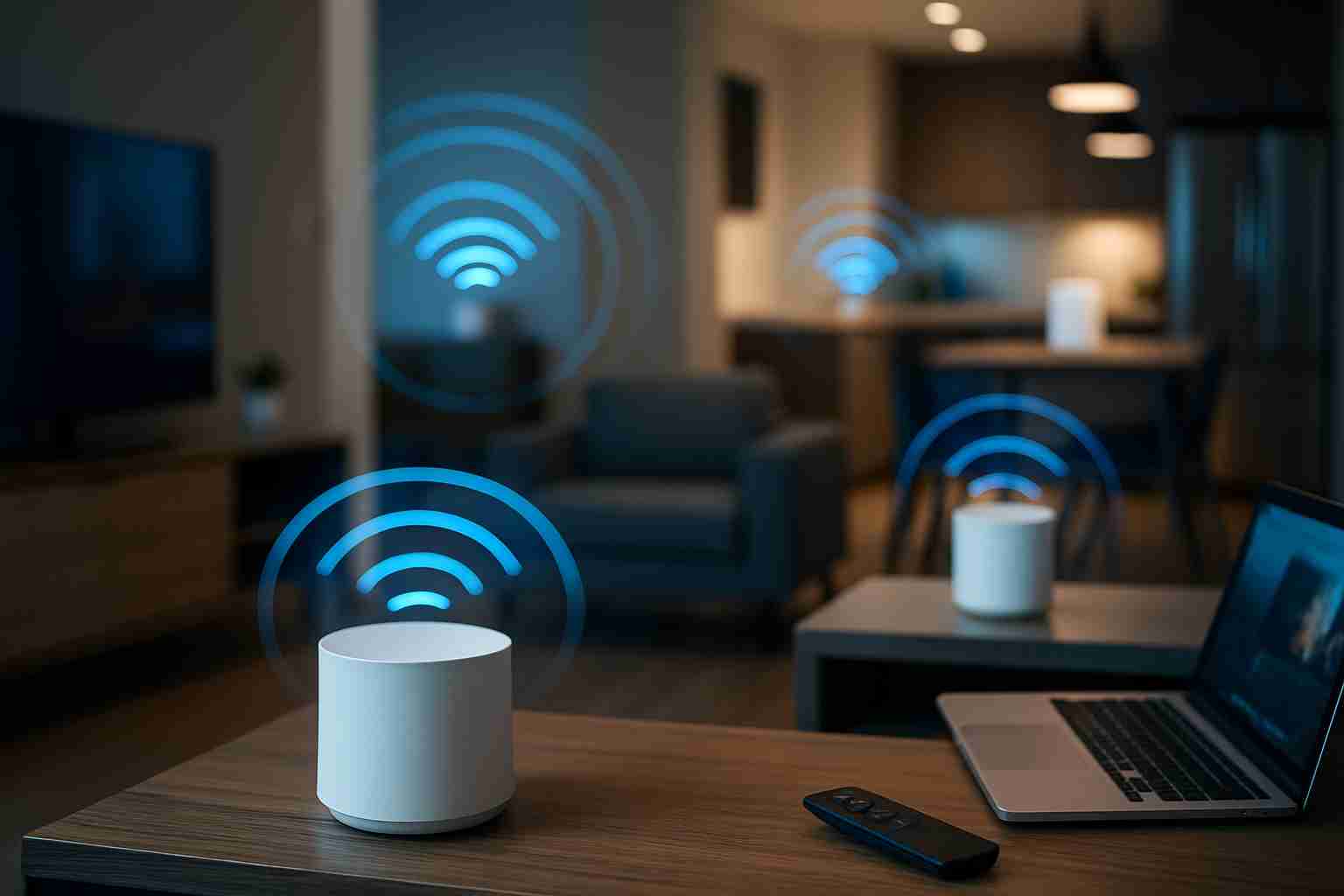
In LoRa mesh communication systems, devices autonomously link together, creating flexible and adaptive routes for data exchange. This approach utilizes radio frequencies to send information over vast distances with minimal energy use, making it ideal for distributed communication platforms. Each node within the network serves as a relay capable of both receiving and forwarding data, ensuring that messages reach their destination even when direct connections fail. Such redundancy boosts the network’s dependability, allowing data packets to navigate alternate pathways around obstacles or malfunctioning nodes.
The design of LoRa mesh networking architecture prioritizes simplicity alongside effectiveness. Utilizing a star-of-stars configuration, nodes interact directly with neighboring units, thereby enlarging the network’s coverage. This setup proves extremely useful in environments where conventional infrastructure is limited or impractical. For instance, during emergencies, LoRa wireless mesh systems show resilience by sustaining communication channels when typical networks break down.
The benefits are substantial. Reduced interference combined with streamlined communication routes means these systems thrive in self-sufficient communication networks, freeing them from reliance on established frameworks. Through LoRa technology, scalable and sustainable communication emerges as a flexible option for uninterrupted message delivery. It revolutionizes how Meshtastic devices support modern standalone communication devices, safeguarding data exchange across varied conditions.
Empowering Off-Grid Communication
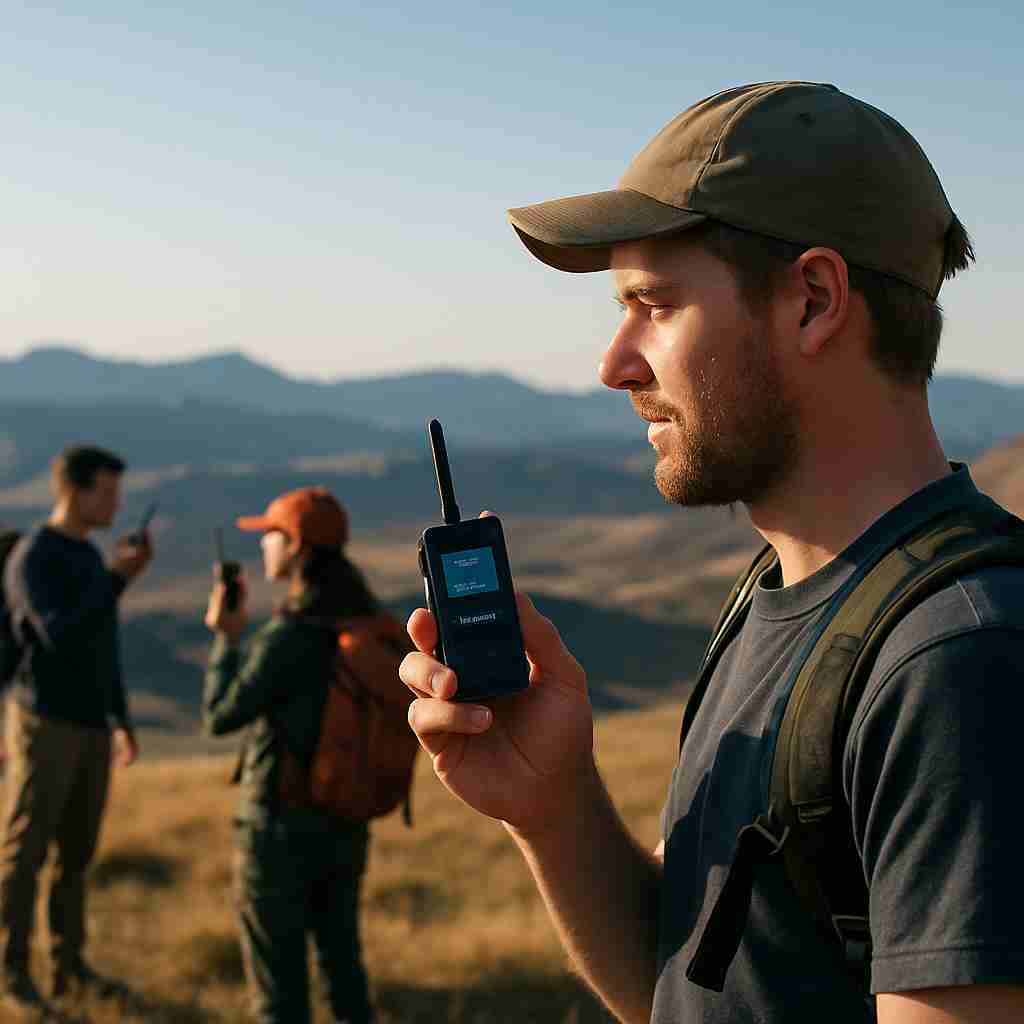
In today’s world, standalone communication devices play a vital role, especially when conventional networks break down. Whether operating in disaster-stricken areas, remote industrial sites, or venturing into scarcely inhabited wilderness, staying connected is essential. This is precisely the strength of Meshtastic devices, which equip users with dependable communication that operates independently of standard infrastructure. By harnessing LoRa extended-range communication, these tools establish a self-sufficient network, allowing messages to cover broad, isolated regions without depending on cellular towers.
During crises, when electrical grids are compromised, Meshtastic devices serve as a vital link, supporting coordination among emergency teams and facilitating the management of limited resources. Their autonomous nature proves indispensable during infrastructure failures. This independence guarantees that critical communication paths stay active, enabling efficient rescue and repair coordination. In rural and industrial settings, these networks aid ongoing processes and safety monitoring, underscoring their significance in boosting both communication effectiveness and operational safety. By maintaining connectivity without reliance on external infrastructure, users benefit from unmatched resilience and flexibility in challenging environments.
Harnessing Long-Range Messaging
Discover the revolutionary impact of long-range messaging powered by technologies such as Meshtastic devices and LoRa networks. These autonomous communication tools enable smooth interaction across great distances, surpassing the limitations of traditional communication infrastructures. In sectors like agriculture, environmental surveillance, and disaster communication, they provide vital remote communication systems that facilitate connectivity in rugged terrains and off-grid locations lacking existing infrastructure. For instance, in farming, long-range messaging empowers real-time condition tracking, enhancing crop supervision and boosting yields. Devices like Meshtastic devices efficiently gather and send data, minimizing manual work and maximizing resource use.
Environmental monitoring leverages these networks for broad data acquisition in secluded ecosystems, allowing prompt ecological response. Simultaneously, during emergency response scenarios, LoRa networks deliver robust wireless connectivity when conventional networks fail. Such capability is essential in crises where swift communication can preserve lives. By substituting older systems with these cutting-edge networks, operations gain improved resilience, adaptability, and efficiency, mirroring the trend toward distributed communication platforms and off-grid communication links. Therefore, long-range messaging represents not just an alternative but a crucial advancement in extended-distance communication systems.
The Future of Decentralized Communication
A future shaped by distributed communication systems imagines a world where innovations in mesh networking systems and energy-efficient extended-range wireless tools like Meshtastic devices act as key drivers of uninterrupted connectivity. These advancements promise to transform communication platforms by enhancing adaptability and robustness. As dependence on centralized infrastructure wanes, networks gain the ability to respond fluidly to changing user and environmental needs. Especially encouraging is the fusion of distributed communication systems with emerging technologies such as IoT and artificial intelligence. Leveraging this smart IoT and AI fusion, ecosystems could independently manage themselves, providing seamless network performance without relying on a central authority.
Nevertheless, this transformation brings its own obstacles. Addressing concerns like data protection, security, and the upfront investment involved in shifting to decentralized messaging infrastructures is essential. Still, the benefits of these autonomous communication networks—a more inclusive digital space with greater resistance to centralized breakdowns—are significant. Collaboration between developers and regulators will be crucial to unlock the full promise of innovations like Meshtastic devices. As technology continues evolving, embracing distributed communication platforms offers a hopeful route toward accessible, sustainable, and fair connectivity solutions worldwide.
Conclusions
Meshtastic along with LoRa wireless mesh systems represent a new era in communication, delivering robust, extended-distance wireless transmission options ideal for autonomous communication networks and decentralized environments. By grasping and utilizing these innovations, communities and sectors can enhance their connectivity and reduce reliance on conventional infrastructure, opening doors to novel uses and fostering sustainable growth across varied settings.