




Decentralizing the Web: Communication, Search, and Optimization in the Era of Web3

The digital landscape is evolving, bringing forth an age of decentralization that offers enhanced transparency and greater user control. Exploring the revolutionary impact of distributed communication systems, blockchain-powered search engines, and SEO methods tailored for Web3, this article sheds light on how such advancements might transform our digital interactions.
The Essence of Decentralized Communication
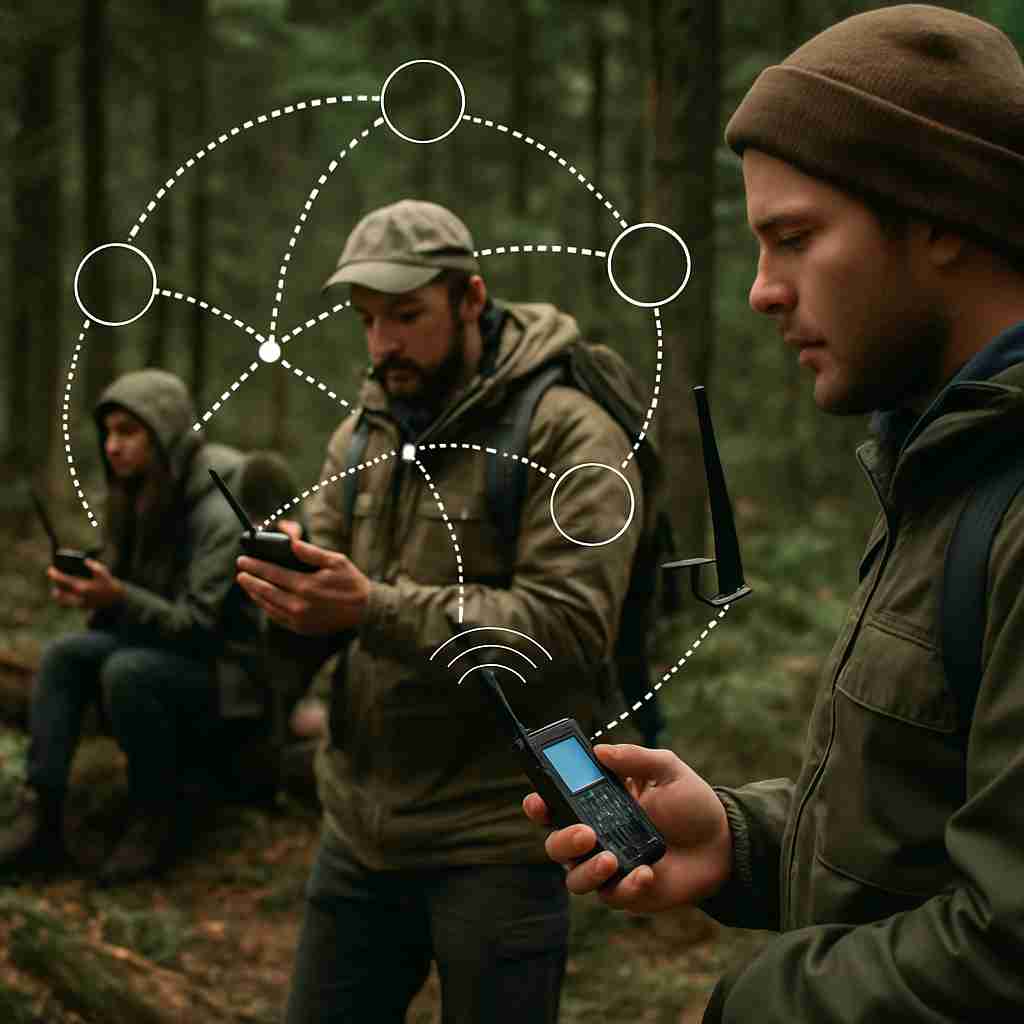
A profound transformation in online communication methods is heralded by decentralizing the web. Central to this revolution is decentralized communication, a cutting-edge approach reshaping how we interact digitally. Unlike centralized platforms that route data through a single point, distributed communication networks enable direct exchanges between users. Built on blockchain technology, this peer-to-peer communication not only strengthens security but also improves privacy. Every message is transmitted via a secure, encrypted route, protecting it from unauthorized access.
Beyond merely balancing server demand, peer-based networks are designed to be resilient by removing central failure points, allowing the system to operate continuously even when parts of the network fail. The framework of decentralized communication serves as a safeguard against censorship, promoting the unrestrained and broad circulation of information without centralized control. This paradigm shift returns control over data to users, reassuring them that their online privacy security is firmly in place.
By reinventing the core of digital communication, humanity moves closer to a future where individuals command their digital sovereignty. This new decentralized era goes beyond merely enabling privacy or autonomy; it offers a revolutionary freedom in sharing ideas.
Decentralizing the Web: A Revolution in Browsing
The decentralized web, commonly known as Web 3.0, marks a profound transformation in our online interactions. Fundamentally, Web 3.0 grants users enhanced data ownership control, freeing them from centralized powers. With cutting-edge distributed web systems like distributed ledger technology and the InterPlanetary File System (IPFS), the structure of the internet is undergoing a complete overhaul. Distributed ledger technology enables transactions and communication without middlemen, building trust and transparency among participants. Meanwhile, IPFS changes the landscape of distributed data storage by decentralizing it, enabling files to be efficiently shared across distributed peer networks. This shift not only safeguards information integrity within Web 3.0 but also drastically lowers the threat of censorship, fostering online free speech. As we progress deeper into the realm of decentralized communication, the balance of power within the digital sphere is being redefined. People regain control, creating a more inclusive and robust digital environment that resists traditional manipulation, ultimately driving towards a democratized online world that empowers users to participate in a genuinely peer-driven setting.
Rethinking Search Engines: Decentralized Queries
The emergence of decentralized search platforms is reshaping the way we retrieve information online, offering a clear alternative to conventional search engines. These tools harness blockchain-driven search technology to boost online privacy and present impartial results—qualities highly sought after in today’s digital landscape where electronic privacy management is paramount. Unlike traditional centralized search engines, these decentralized search platforms break down the control wielded by data collectors, providing instead an open search experience where user actions stay confidential and protected.
Representatives of this trend include platforms like Presearch and DuckDuckGo. Employing blockchain integration, Presearch incentivizes users with digital currency incentives for their participation, highlighting fairness and user involvement. Though not fully decentralized, DuckDuckGo champions private, anonymous internet browsing, signaling a clear shift toward prioritizing user online privacy security.
Within a decentralized communication setting, no single organization governs user data. This independence guarantees that search outcomes stem exclusively from user queries, rather than manipulative algorithms designed to maximize clicks. By establishing a more equitable online environment, decentralized search engines empower users and foster a secure space consistent with the principles of decentralized communication, representing a pivotal move toward redefining how users interact with the internet.
SEO in a Decentralized World
As distributed communication networks transform the digital realm, the practices of search engine optimization (SEO) are swiftly adapting. The rise of blockchain and distributed networks challenges conventional SEO methods that depend predominantly on centralized algorithms. In this fresh landscape, transparency and consensus, rather than obscure algorithm changes, dictate ranking and visibility.
Content creators seeking greater exposure on decentralized messaging services must reconsider their tactics. Simply relying on keywords is insufficient; community validation, trust, and engagement become essential. Thanks to blockchain, content origin authentication and author credibility significantly influence search rankings, making authenticity crucial like never before.
Additionally, because the decentralized web centers around the user, content has to respect personal privacy preferences while remaining engaging and accessible. The emphasis moves away from optimizing for a single algorithm to cultivating genuine community relationships and interactions. By focusing on user trust and delivering real value, creators can harness distributed communication networks effectively for visibility and engagement, maintaining an edge in this fast-evolving digital ecosystem. These developments signal a major shift from traditional SEO, demanding innovative strategies tailored to decentralized contexts.
The Future of Decentralized Optimization
Within the expanding decentralized Web3 ecosystem, decentralized communication profoundly reshapes how businesses and individuals approach optimization tactics. By harnessing the transparency embedded in blockchain openness, optimization now prioritizes authenticity and verified trustworthiness. This paradigm shift introduces innovative instruments and methodologies that go beyond classic Search Engine Optimization (SEO), fostering an ecosystem of direct, peer-to-peer digital communications free from central authority interference.
Organizations can bolster their digital footprint by adopting decentralized marketing platforms designed specifically for blockchain ecosystems. These encompass self-governing decentralized organizations (DAOs), enabling direct audience engagement that strengthens brand identity and cultivates community confidence. Furthermore, blockchain’s tamper-proof records guarantee content remains consistent and authentic, thereby boosting its credibility and exposure.
As decentralized communication advances, optimization frameworks must evolve, shifting focus towards systems that emphasize community-driven consensus and user participation. In the era defined by Web3, these progressive developments in decentralized optimization not only enhance autonomy and operational efficiencies but also herald a future where transparent transactions and empowered consumers take center stage in digital exchanges.