


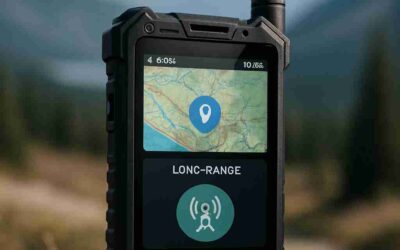
Exploring Off-Grid Communication: Devices, Systems, and Solutions for the Remote World

Navigating through the wild without conventional connectivity can feel overwhelming. Independent communication systems provide dependable alternatives in isolated region communication, promoting safety and efficient interaction. This article explores a variety of standalone communication technology, their capabilities, and the ways they improve connectivity in unconnected landscapes.
Understanding Off-Grid Communication Devices
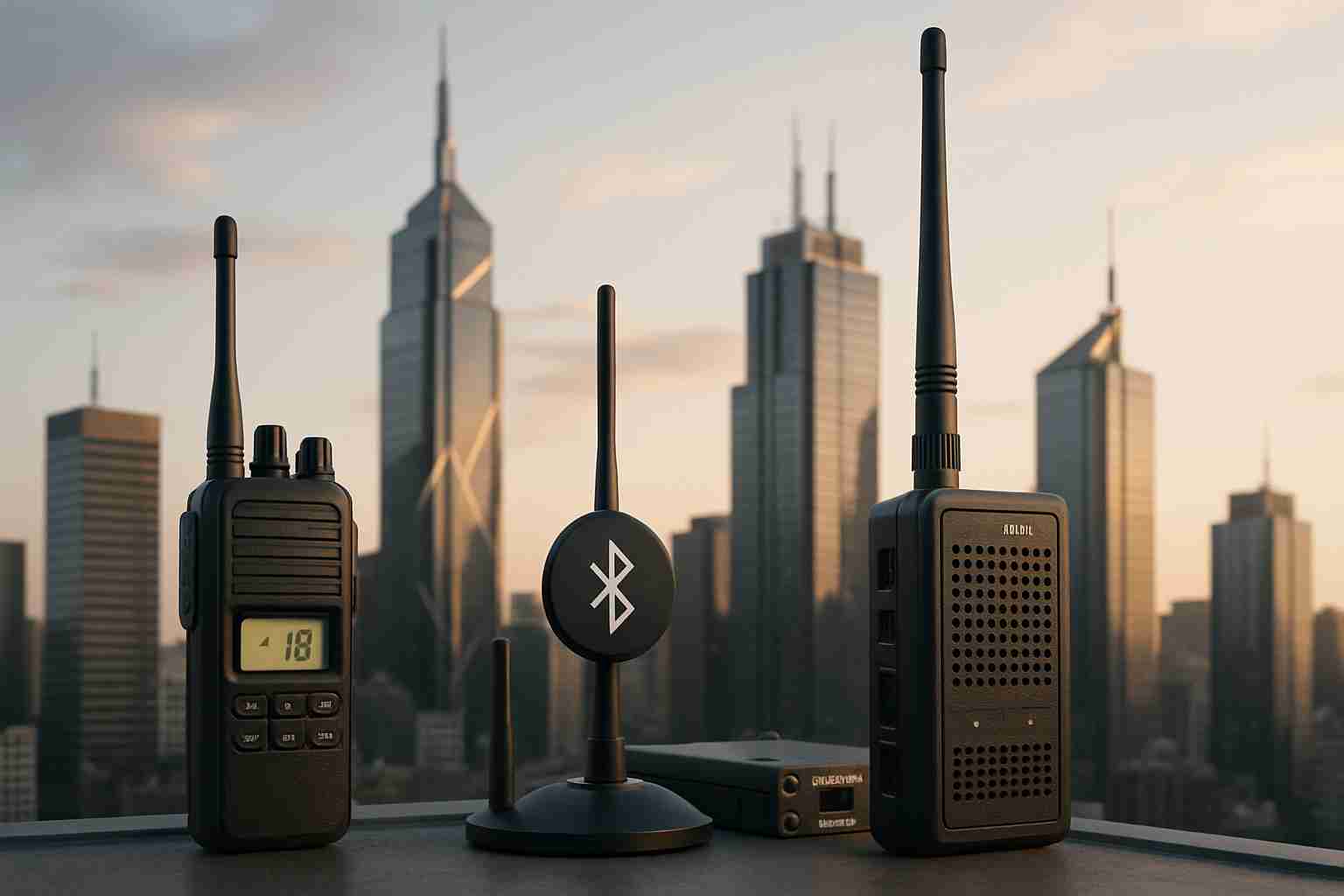
In locations lacking conventional network infrastructure, independent communication systems are vital tools that guarantee connectivity. Serving as crucial lifelines during survival situations, emergencies, and adventures, these autonomous communication tools create essential channels when traditional methods fall short. When traditional communication networks are missing in remote sites, standalone communication technology ensures people remain in touch with their teams or emergency responders. For example, portable radios that function without a steady electrical power source act as dependable means to receive key alerts about weather or urgent communication broadcasts.
Another form of remote communication equipment, handheld satellite phones, connect directly to satellites, enabling worldwide communication regardless of terrestrial network presence. This makes them indispensable for rescue teams and explorers operating in isolated regions. Their capability to keep voice lines open and transmit text messages guarantees ongoing interaction with the outside world. Equipped with robust batteries and often featuring solar charging radios, these portable devices are easy to transport and maintain continuous contact with emergency services, boosting safety and coordination in critical moments. This broad spectrum of self-sufficient communication devices underscores their importance in supporting safety and connectivity within challenging and remote environments.
The Role of Mesh Networking in Off-Grid Communication
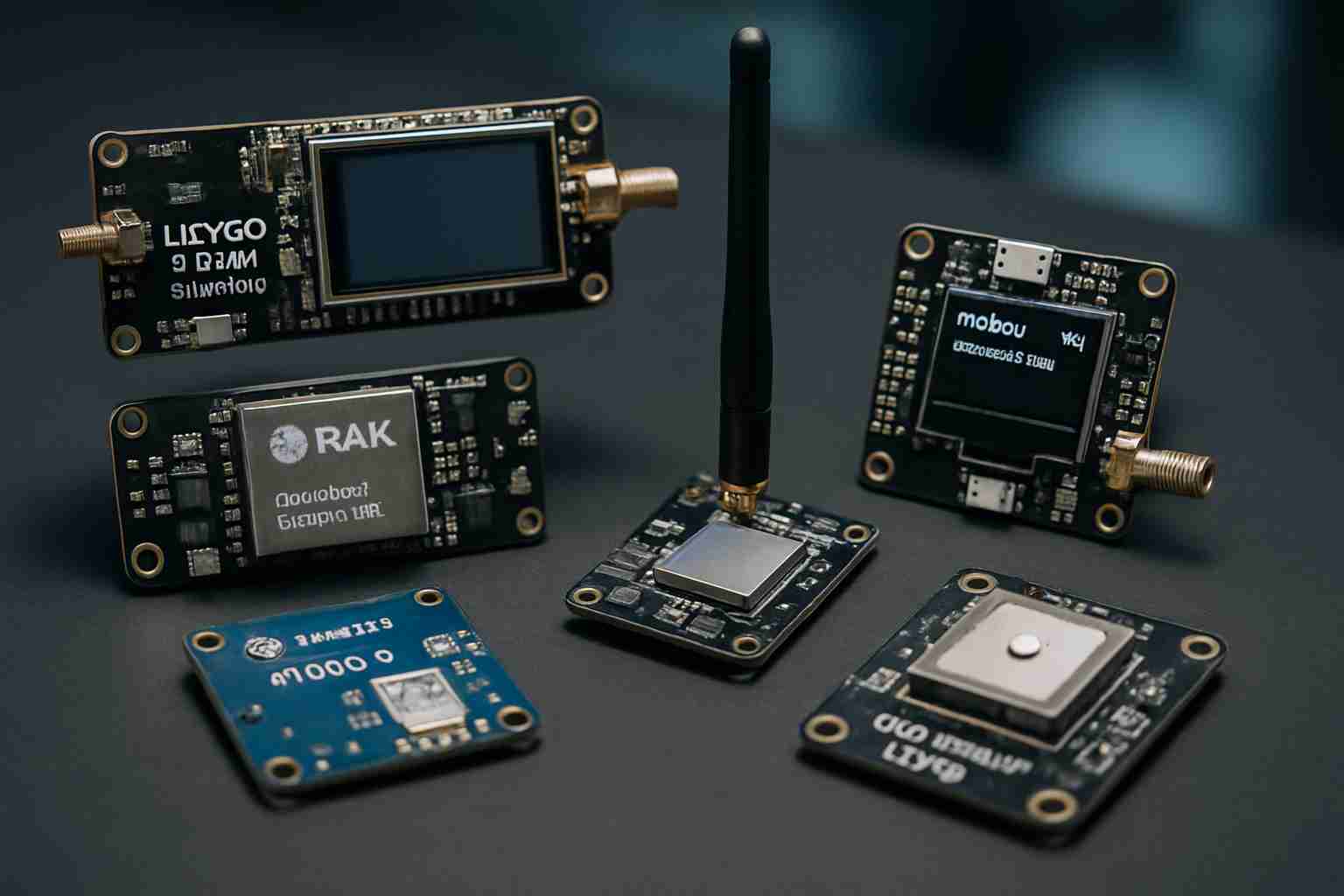
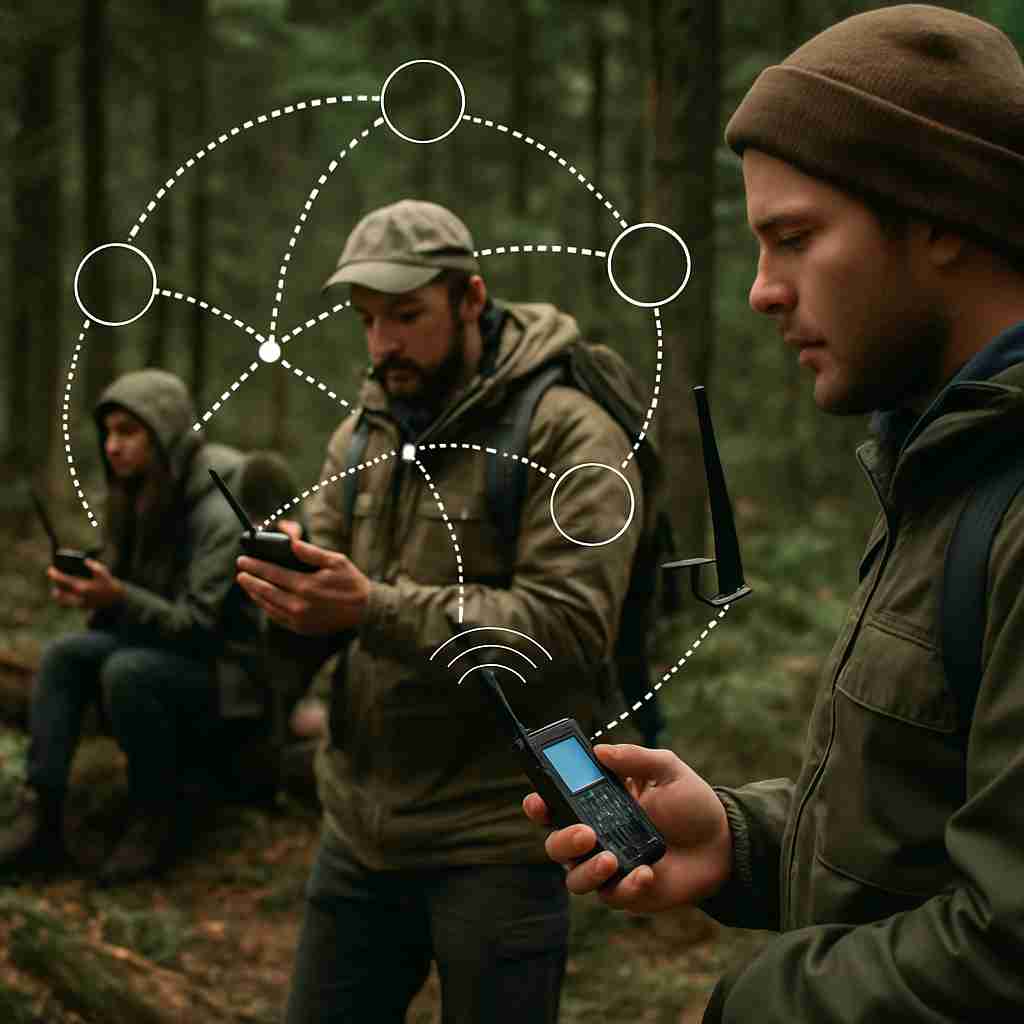
Mesh networking revolutionizes independent communication systems by building resilient, decentralized communication infrastructures that don’t require a central internet hub. Devices connect directly, forming adaptive mesh network architectures that can repair themselves, which significantly enhances communication reach. Particularly crucial in rural connectivity technologies, disaster-prone zones, or underserved communities, these resilient mesh networking systems quickly adjust to evolving scenarios, making sure data and messages navigate through the network, even if some sections become compromised.
The distributed communication networks’ design boosts dependability and lessens reliance on conventional infrastructure, making it perfect for remote location telecommunications. These networks optimize routing by navigating multiple pathways, which enhances connectivity and reduces latency, enabling uninterrupted communication in difficult landscapes. This flexibility is especially critical during emergencies, supporting coordination and the spread of information when standard communication channels are down.
Moreover, autonomous communication frameworks give communities the power to build their own communication systems, fostering both independence and resilience. Consequently, these standalone network communications not only bring connectivity to isolated places but also serve a vital function in nurturing grassroots network integration, strengthening self-reliance and sustainable communication platforms worldwide.
Off-Grid Radios: Reliable Communication Amidst the Wilderness
For adventurers and those working in secluded places, independent radios such as HAM and shortwave models are crucial equipment. In places where modern devices often fail, these standalone communication technology solutions guarantee contact. HAM radios link with amateur operators across the globe for worldwide reach, while shortwave radios grant entry to international broadcasts spanning extensive distances. Due to these capabilities, they remain essential for staying connected during emergencies or journeys into unknown territories.
Enhanced battery performance and improved transmission range have marked strides in radio technology, boosting reliability under off-grid scenarios. Today’s radios boast long-lasting battery radios that maintain communication uninterrupted, even after prolonged isolation. With advanced signal strength, these devices send and receive messages over far-reaching radio broadcasts, overcoming natural barriers such as dense forests and mountains.
More than mere connectivity tools, these devices provide safety and peace of mind. When mobile networks collapse, off-grid radios transform into critical communication apparatus that serve as lifelines. They enable users to request help, engage with nearby communities, and remain updated on shifting weather patterns. The continuous progress in these autonomous communication tools ensures that, even in the most remote locations, people can stay connected.
Comprehensive Off-Grid Communication Systems and Solutions
In the fast-changing landscape of today’s world, standalone communication technology is crucial for maintaining reliable links, particularly in isolated regions. These solutions cleverly integrate various technologies, including combined satellite-cellular communication systems and solar-based communication infrastructure, to deliver dependable connectivity in remote locations. For example, dual satellite and cellular connectivity networks exploit the reach of satellite signals—which cover nearly every spot on Earth—while cellular networks boost service where more people live remotely. This synergy skillfully merges extensive global reach with effective, localized networking.
Solar-based communication infrastructure plays an indispensable role by utilizing renewable power, which makes such hubs especially beneficial in places without conventional electrical grids. They facilitate multiple key communication forms, from internet connectivity to voice services, without depending on standard power sources. However, deploying these extensive systems involves unique difficulties. These include logistical constraints, like moving and assembling gear in tough landscapes, and technical obstacles such as preserving durability during harsh weather conditions. Innovators continually craft flexible designs and cutting-edge materials to overcome these issues, ensuring uninterrupted communication access for everyone, everywhere.
Choosing the Right Off-Grid Communication Equipment for Your Needs
Selecting the ideal autonomous communication tools is crucial to stay consistently connected in remote site telecommunications. Tailor your choice to your particular requirements, whether it’s for urgent communication solutions or prolonged rural living. If crisis preparedness is your priority, consider investing in dependable solar energy radios, which guarantee readiness even when conventional power is unavailable. For city adventures, lean towards compact two-way radios for city adventure that blend effortlessly with your current technology. Living off the grid long-term often calls for durable, photovoltaic communication solutions crafted for everyday operation.
Think about usage frequency and terrain characteristics. In mountainous areas, UHF and VHF communication devices differ: UHF radios excel at penetrating barriers while VHF performs better in less obstructed, open spaces. Ensuring your gear’s compatibility with existing frequencies and digital systems like GMRS or FRS is essential.
Cost considerations are pivotal too. Strive to find a sweet spot between affordability and vital capabilities; less expensive models might not withstand tough environmental conditions. Prolong your device’s lifespan with regular upkeep and troubleshooting by checking connections frequently, updating your firmware, and storing your equipment in a cool, dry environment. Keeping these aspects in mind ensures confidence in your connectivity no matter where you find yourself.
Conclusions
Reliable connectivity in remote and difficult environments is ensured by independent communication systems, providing both safety and access where conventional networks fall short. Users can preserve vital communication channels by mastering and deploying autonomous communication tools such as radios and adaptive mesh network architectures. Emphasizing these technologies’ critical role in contemporary connectivity, investing in the right standalone communication technology significantly boosts preparedness for emergencies and enhances exploration experiences.