

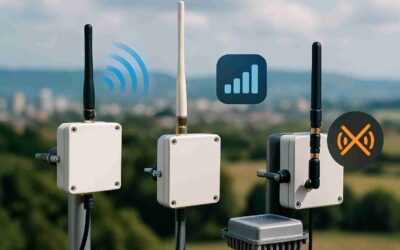

Exploring Meshtastic LoRa Devices for Enhanced Off-Grid Communication
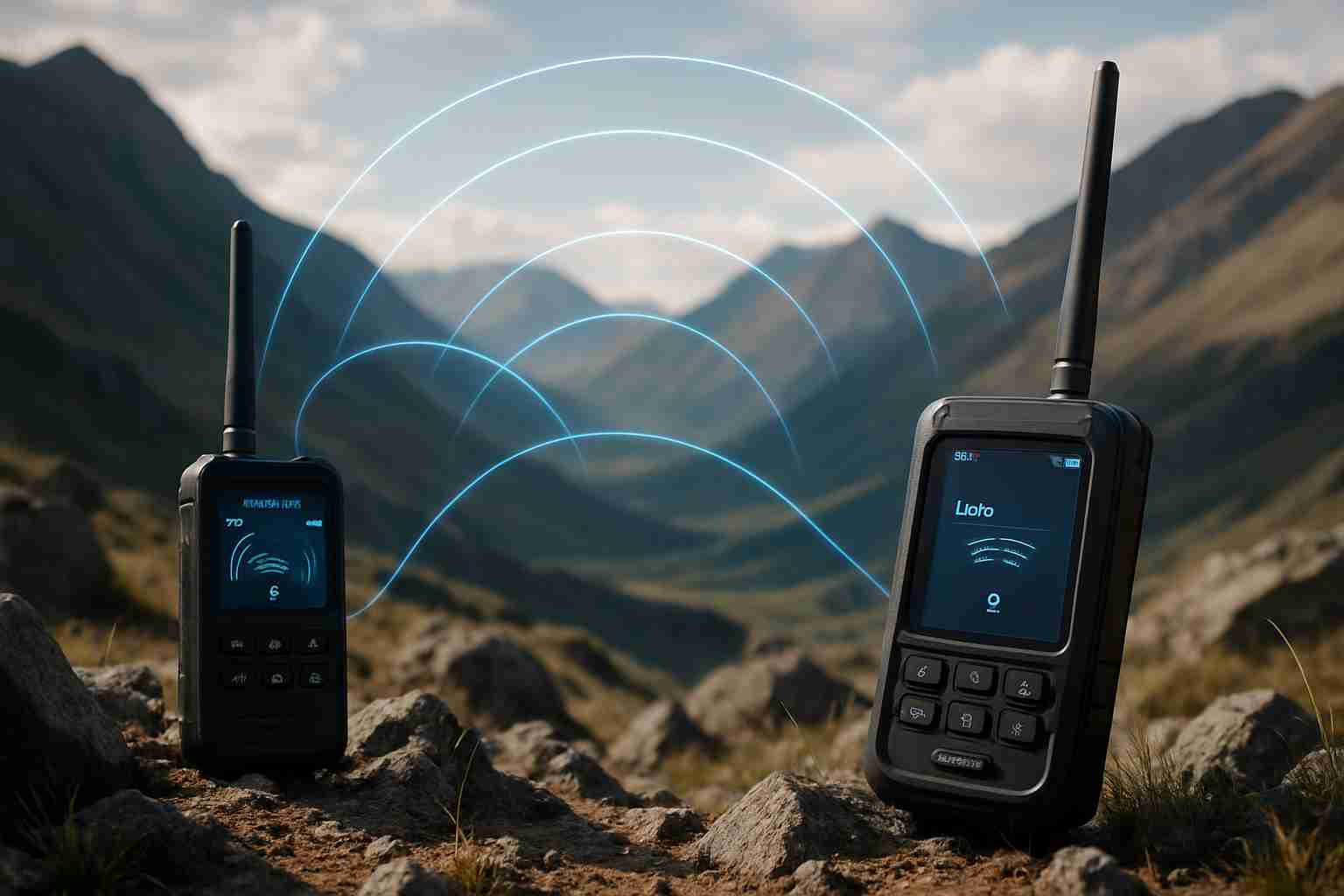
In a world where connectivity is increasingly important, Meshtastic LoRa devices offer a unique solution for off-grid communication. Utilizing LoRa technology, these devices create mesh networks that enable long-range, low-power communication without relying on existing infrastructure. This article explores the technology, hardware, and real-world applications of Meshtastic devices.
Understanding LoRa Technology
LoRa technology stands as a remarkable innovation in the field of wireless communication, especially noted for its ability to balance long-range capability with minimal energy use, making it an excellent fit for IoT applications. Utilizing a proprietary modulation technique, LoRa excels at creating networks that extend over large areas while consuming significantly less power than traditional radio technologies. This energy efficiency, coupled with low data rates, makes LoRa uniquely suited for devices that do not require high-throughput but benefit from prolonged battery life.
One of the standout advantages of LoRa is its capacity to support broad coverage with a minimal infrastructure investment. It also operates effectively in challenging environments, overcoming obstacles like dense urban areas and hilly landscapes. Compared to technologies such as Zigbee and Bluetooth, LoRa provides superior range and penetration, albeit with lower data transfer rates, which is a trade-off many find acceptable for vast IoT networks.
The technology’s application in geolocation is particularly noteworthy. Leveraging its ability to trilaterate positions, LoRa aids in tracking and monitoring systems, offering a cost-effective alternative to GPS, especially in inaccessible regions. This function highlights its utility in diverse sectors, from agriculture to logistics. Through systems like meshtastic lora device, LoRa technology facilitates reliable communication channels where conventional infrastructure falls short, enhancing connectivity in off-grid scenarios. Its growing adoption in varied industries underscores LoRa’s pivotal role in the future of IoT and off-network communication solutions.
Decoding Meshtastic Wireless Networks
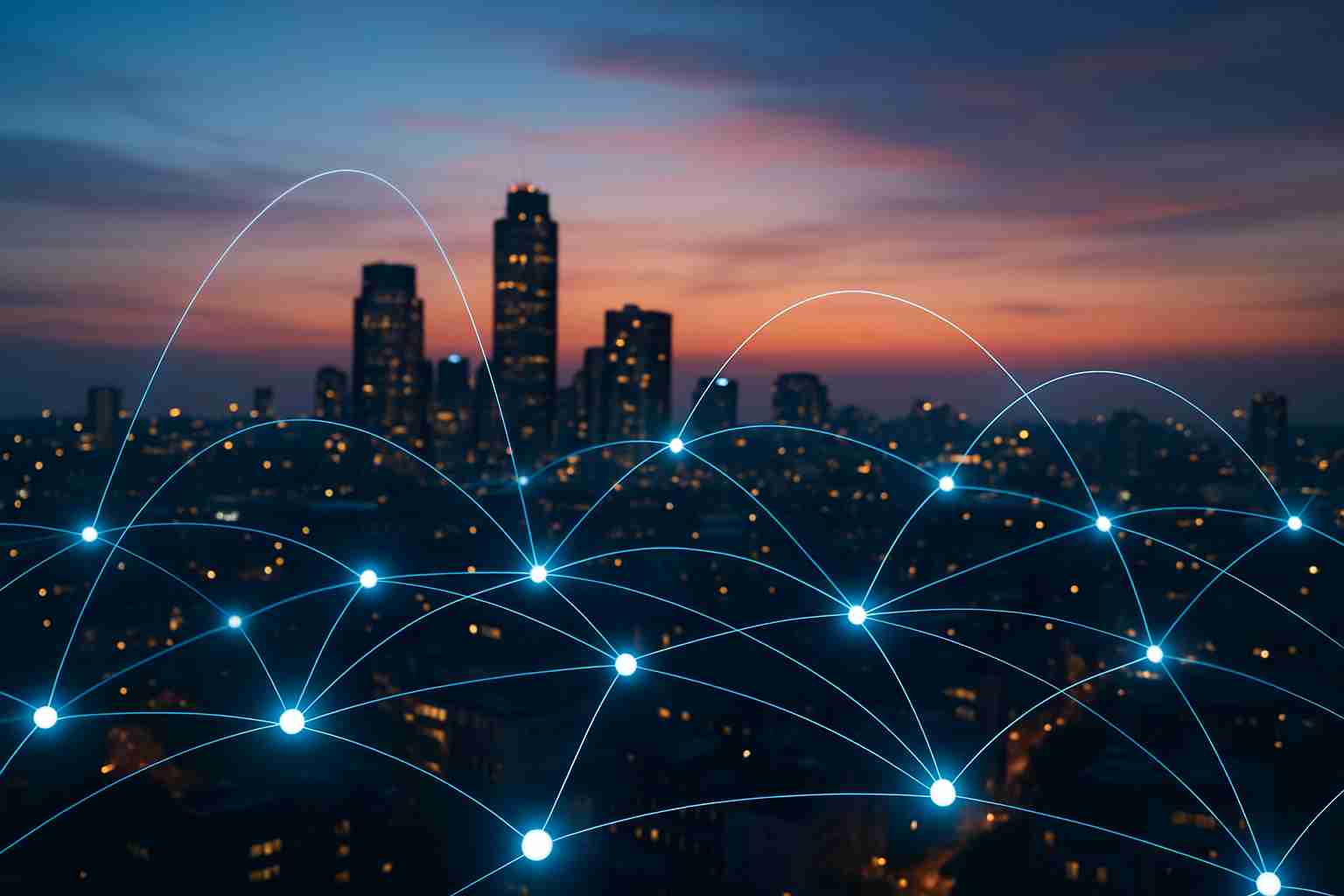
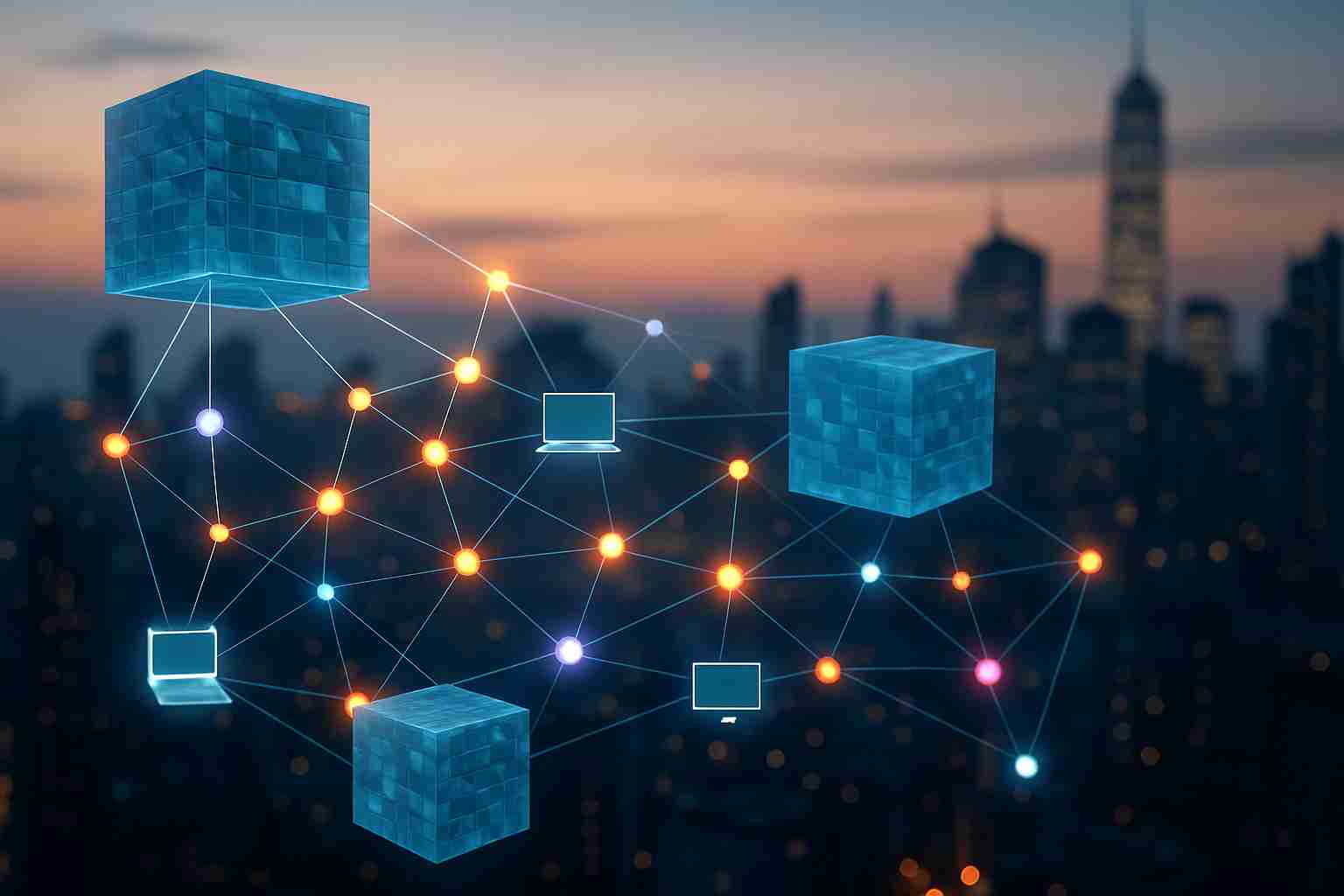
Meshtastic excels in environments where traditional internet infrastructure is lacking, thanks to its decentralized mesh networking protocol using LoRa’s peer-to-peer capabilities. This system empowers users to communicate by relaying messages through a network of devices, perfect for areas where conventional means are unreliable or non-existent. Each device in the mesh acts as a node, rebroadcasting messages and extending the network’s reach without relying on a central server. This approach aligns perfectly with Meshtastic’s DIY ethos and its open-source, community-driven roots, encouraging innovation and user participation.
The spirit of Meshtastic appeals to hobbyists and technology enthusiasts interested in creating custom solutions tailored to specific needs. Its open-source nature invites contributions from developers worldwide, fostering a dynamic environment where practical innovations thrive. This aspect is crucial in challenging conditions like remote hiking trails or natural disaster zones, where robust and resilient communication channels are essential.
A meshtastic lora device offers an affordable and accessible option for maintaining reliable contact when the grid falters. By leveraging these devices, users can ensure continuous connectivity, testing boundaries, and pushing the limits of what a decentralized network can achieve.
Diving into Meshtastic Hardware Specifications
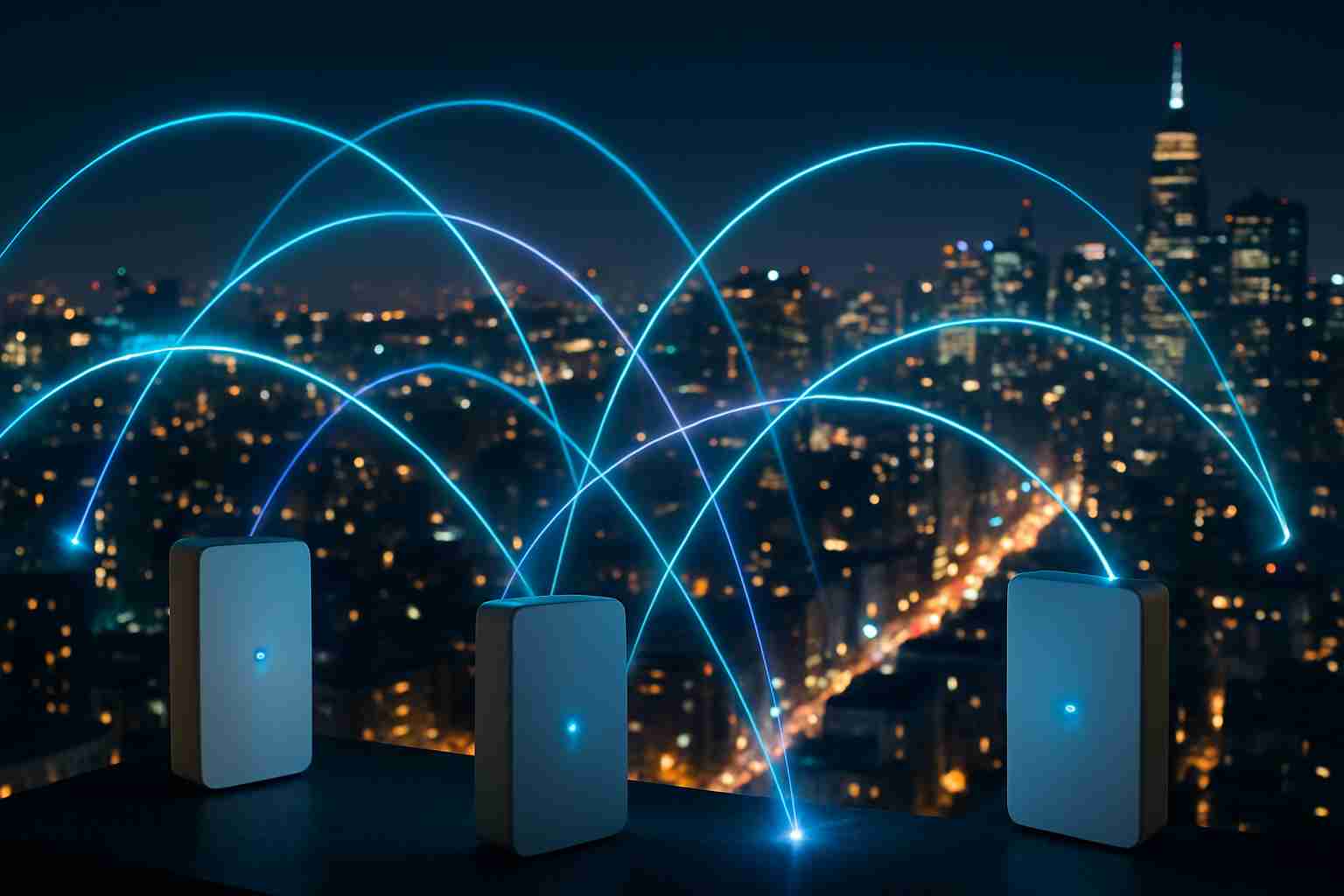
Diving into the world of meshtastic lora device hardware reveals the robust capabilities of these communication dynamos. At the core, devices leverage powerful microcontrollers like the ESP32 and nRF52840. These elements enable seamless LoRa and BLE communication, which is crucial for creating reliable mesh networks in challenging terrains. A typical meshtastic lora device features development boards that house the primary processors and facilitate integration with other components, such as transceivers and GNSS receivers, for accurate geolocation services.
The importance of Bluetooth and Wi-Fi connectivity in these devices cannot be overstated. Bluetooth Low Energy allows the device to interact effortlessly with smartphones, enabling real-time data exchange and management through mobile applications. This connectivity ensures that even when off-grid, users can maintain robust communication and control over their network.
Commercially available Meshtastic-compatible boards cater to different needs, offering comprehensive kits that appeal to hobbyists and professional installers alike. These kits often include user-friendly interfaces and versatile hardware capable of adapting to a range of projects and installations. Whether used for off-season camping trips or as a backbone during emergencies, the adaptability of these devices underscores their significance in persistent communication efforts.
Practical Applications of LoRa Mesh Networks
LoRa mesh networks are proving invaluable in scenarios where traditional communication infrastructures falter. Their application in Mars Society missions is a clear testament to their potential, providing reliable communication between teams exploring remote Martian simulations. This setup enables researchers to coordinate without relying on distant satellites, which is a game changer for off-planet explorations.
In disaster-prone areas, municipal emergency communication systems are leveraging LoRa mesh networks to maintain pivotal connectivity when conventional networks are down. These networks ensure that first responders can communicate effectively and coordinate rescue efforts, even amidst infrastructure failures.
**Location-tracking capabilities** of devices like the meshtastic lora device enhance safety and operational efficiency. For instance, in internet-censorship-heavy regions or during communication blackouts, these devices provide a vital link, maintaining the flow of information among civilians and aid workers. Their ability to transmit messages over vast distances without cellular or satellite networks is crucial. LoRa mesh networks are not just an alternative; they’re a critical lifeline, enhancing communication resilience where it is needed most.
Selecting the Right Meshtastic Device for Your Needs
Selecting the right meshtastic lora device is crucial for optimizing communication across LoRa mesh networks. Consider your coverage requirements first. Devices vary in transmission power—ideal options provide sufficient range to suit everything from compact campsites to expansive field operations. Examine the hardware capabilities; modern devices often include GPS and Bluetooth connectivity, enhancing their utility in diverse scenarios.
Think about the community support—resources, forums, and user groups can provide invaluable assistance. Firmware support is another key factor. Choose a device with regular updates to ensure its features evolve as technology advances. Also, consider scalability. Opt for devices that can easily integrate into larger networks as your needs grow.
Practical aspects like ease of use shouldn’t be overlooked. Look for intuitive interfaces and straightforward installation processes. Lastly, consider the potential for future upgrades. Devices with modular designs or compatibility with emerging technologies can extend their lifespan and adaptability. With these considerations, selecting the right meshtastic lora device will better suit both personal and professional communication needs, ensuring effective, reliable, and expandable network solutions.
Conclusions
Meshtastic LoRa devices have brought a transformative element to how we approach off-grid and low-infrastructure communication. By leveraging the inherent advantages of LoRa technology, these devices extend the boundaries of reliable communication. As both hobbyists and professionals continue to embrace these solutions, Meshtastic remains at the forefront, offering scalable, efficient, and cost-effective alternatives that could also serve as vital communication tools in emergencies.