

Exploring the World of LoRa Networks: Ranges, Topologies, and Applications
LoRa technology provides reliable solutions for long distance, energy-efficient wide-area network communication systems. This article examines the differences between LoRa mesh and LoRaWAN architectures, their coverage and range capabilities, as well as their implementations across different sectors. We also explore mesh versus star network designs, techniques for expanding LoRa network coverage, and how performance varies in diverse environments.
LoRa Mesh Network Range and Applications
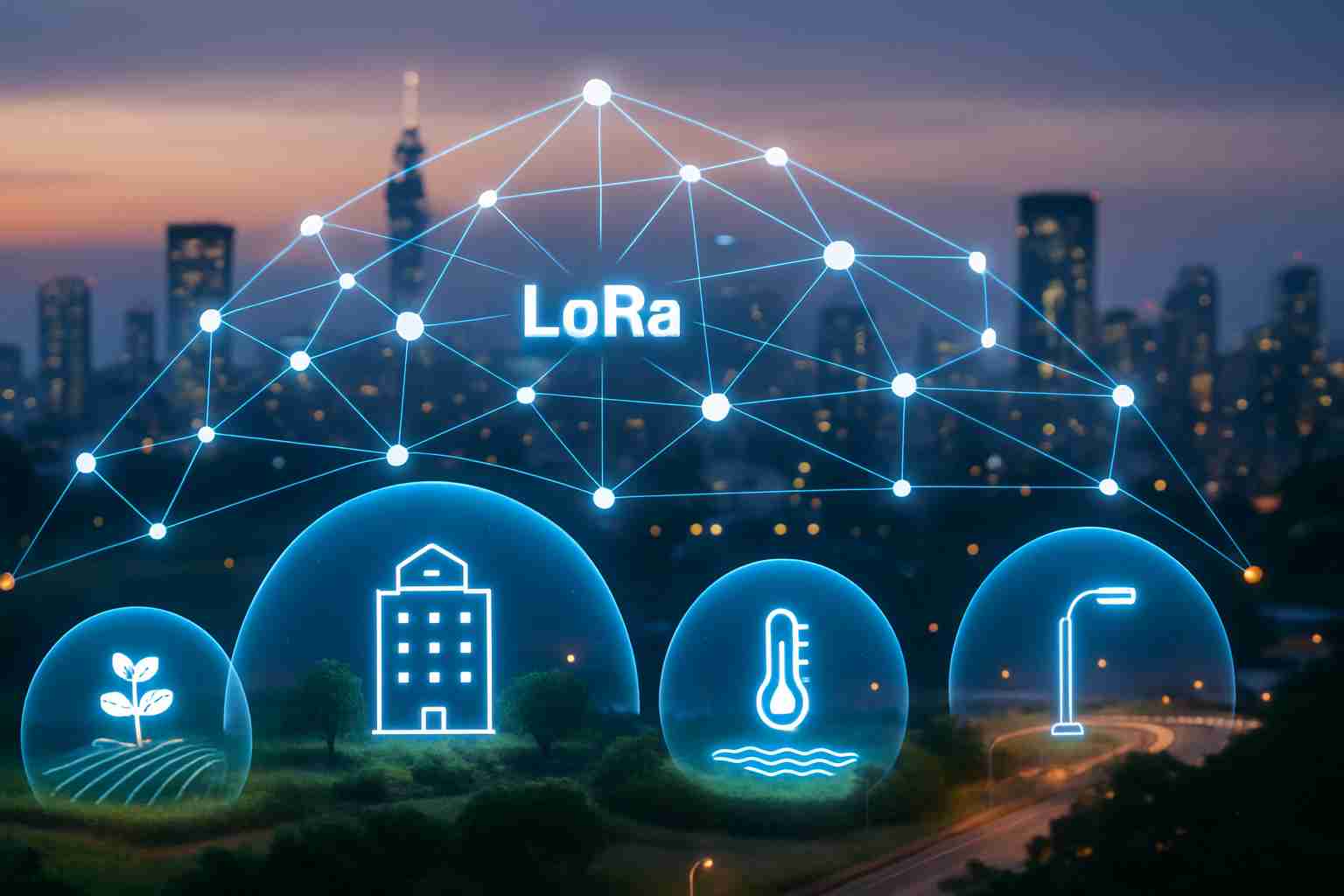
LoRa Mesh Networks employ a flexible multi-stage wireless network technology to broaden communication across difficult landscapes. By passing data through several nodes, they not only improve connectivity but also substantially increase network dependability. This innovative strategy enables coverage in complex areas where direct signals might not succeed. The LoRa mesh network range delivers substantial advantages in fields such as agriculture, allowing farmers to track crops and animals live over extensive farmlands. This connection supports precision farming solutions, enhances resource efficiency, and can greatly boost crop production.
In addition, for urban planning, LoRa mesh networks promote effective traffic coordination, intelligent lighting, and environmental surveillance—key elements for thriving urban centers. Infrastructure condition assessment also profits from this network, as it aids in early detection of structural concerns in bridges and tunnels, thereby enhancing safety and maintenance productivity. Thanks to its multi-relay wireless network capabilities, the LoRa mesh network range shines in settings that require minimal power consumption, making it an eco-friendly option for sustained use.
LoRaWAN Range and Coverage Explained
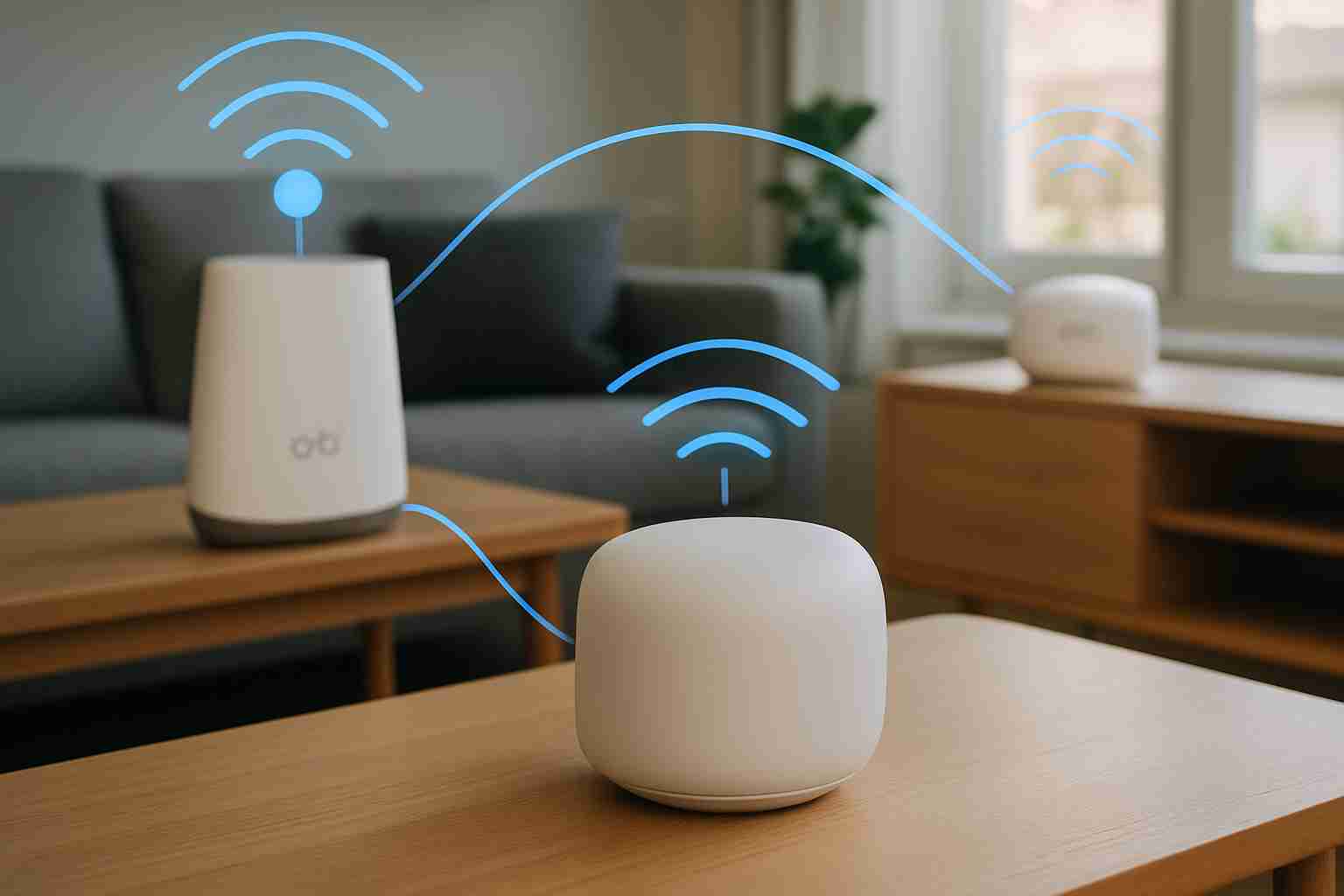
Unlike a mesh network that depends on multiple nodes, LoRaWAN adopts a star-configured IoT system to connect devices across expansive areas. This unique design has end devices communicate straight with gateways, which then link to the internet. Strategically positioning gateways to cover extensive geographic zones enhances the network’s reach while keeping infrastructure minimal. In contrast to the multi-node setup typical of the LoRa mesh network range, LoRaWAN excels at enabling internet access through an efficient gateway deployment strategy.
For IoT scenarios, this translates to simplified rollouts across smart urban IoT platforms, environmental observation sites, and utility services—often achieving coverage over entire metropolitan regions. Although this architecture lacks some of the adaptive routing flexibility found in mesh networks, it makes up for this with cost efficiency and vast coverage. By reducing hardware complexity, LoRaWAN aligns perfectly with needs for prolonged battery life and minimal upkeep, supporting sustainable long-term operation. Such intelligent LoRaWAN gateway positioning harnesses strong network capabilities, especially valuable in remote or large-scale deployments where expanding infrastructure poses challenges.
LoRa Mesh vs Star Topologies
When examining the dynamics of LoRa mesh network range and how it stacks up against star topologies, it’s crucial to understand the subtle differences defining these network frameworks. A mesh topology distinguishes itself with an impressive capacity for amplifying LoRa transmission distance via node integration. Each node acts simultaneously as a sender and a repeater, forming a resilient network that routes data along the most optimal path. This adaptability greatly boosts the network’s robustness against single node malfunctions, as there are multiple routes available for data flow. Still, deploying a mesh network often demands more sophisticated design and management compared to a star topology.
Conversely, star topologies—commonly used in LoRaWAN—boast a simple design in which every device links directly to a central gateway or hub. This straightforward setup allows for scalable coverage over extensive regions without requiring direct communication among every node. While mesh architectures are more complex, they shine in scenarios where connectivity must flexibly respond to environmental obstacles or changing conditions. In such contexts, the advantages of LoRa mesh networks become particularly valuable, especially where infrastructure is sparse but dependable communication remains critical. Ultimately, each topology serves distinct needs, guiding strategic decisions depending on specific deployment goals.
Extending LoRa Network Range Effectively
Effectively broadening LoRa network connectivity depends on well-thought-out strategies, clever techniques, and innovative approaches. By strategically positioning gateways and nodes, one can greatly amplify the LoRa mesh network range. Optimal frequency selection sharpens communication by minimizing interference challenges and boosting signal quality. The inclusion of repeater nodes acts as a bridge, ensuring connectivity even in the toughest environments such as remote agricultural fields or deep mine tunnels, maintaining a steady stream of data.
These methods shine in advanced farming technology deployments, enabling uninterrupted coverage across large and segmented landscapes for live crop and livestock monitoring. Likewise, subterranean LoRa connectivity systems in mining tackle underground communication challenges effectively by placing nodes at mine entrances and deep shafts, guaranteeing that data sent from beneath the surface preserves its reliability until it reaches the surface gateway.
By mastering and applying these tactics, the LoRa mesh network range can be increased to deliver durable, far-reaching IoT communication rarely matched by alternative technologies. Such approaches underscore the value of LoRa mesh connectivity in linking demanding environments without compromising data accuracy.
Performance of LoRa Mesh Networks
When discussing LoRa mesh network range, performance is defined by several key metrics including transmission distance, packet success rates, and interference management. These elements play a critical role and are strongly shaped by technology progress, environmental factors, and how the network is configured. For instance, dense urban environments with skyscrapers often create barriers for signal passage, requiring enhanced setups that maximize line-of-sight and reduce obstructions. Meanwhile, open rural regions naturally extend the LoRa mesh network range considerably.
Effective interference management remains vital to preserve high packet delivery rates. The use of sophisticated frequency algorithms cuts down on noise, improving the clarity of transmissions. Techniques like adaptive frequency hopping, which shifts signal frequencies dynamically, sustain steady communication links and lower packet loss.
As LoRa communication technology improvements continue, newer devices showcase enhanced range and better interference reduction. These performance factors are evident in practical scenarios such as monitoring dense forests or deploying large-scale agricultural sensors. Careful node placement combined with adaptive technologies guarantees a strong, dependable network that supports reliable data transfer even under challenging conditions. With ongoing innovations, LoRa mesh networks demonstrate increasing flexibility and robustness across diverse use cases.
Conclusions
By leveraging mesh and LoRaWAN technologies, LoRa networks are transforming connectivity across various sectors by delivering customized solutions to communication challenges. Significantly improving network reliability and efficiency is possible through a clear grasp of their fundamental distinctions and strategic uses. Embracing this technology promises scalable and robust connectivity solutions that adapt to evolving and dynamic demands.