





Navigating the Future of Connectivity with Mesh Networks and Wi-Fi 7
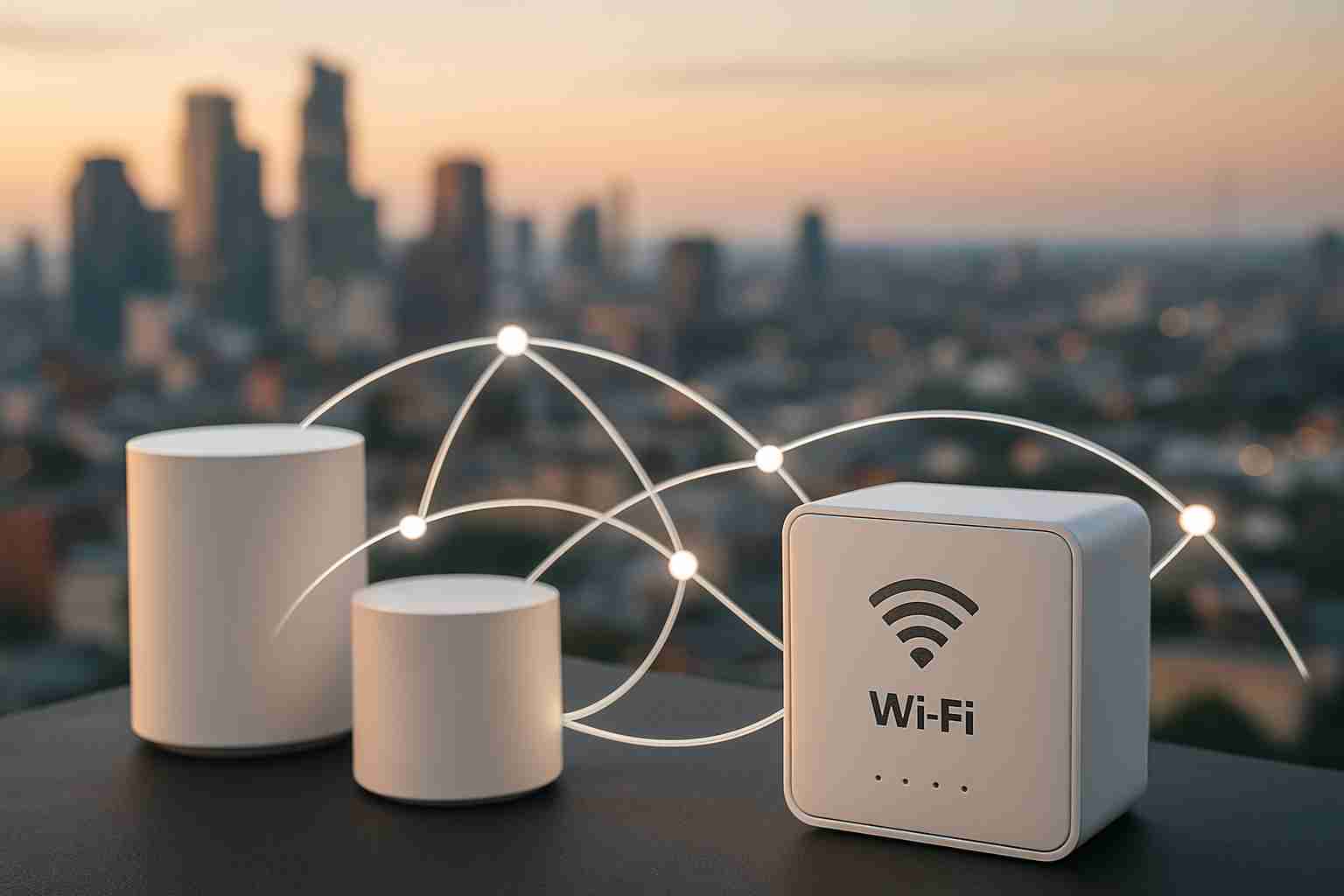
In today’s interconnected world, reliable and expansive network coverage is vital. Mesh Wi-Fi systems and Wi-Fi 7 routers represent cutting-edge advancements in wireless communication. This article explores the nuances of these technologies, the potential of off-grid communication tools, and the future of mesh intercom systems, offering insights into enhancing network coverage and connectivity.
The Evolution of Mesh Wi-Fi Systems
In recent years, mesh Wi-Fi systems have revolutionized wireless connectivity by effectively addressing the limitations of traditional network topologies like star and tree configurations. Unlike their predecessors, mesh systems boast a dynamic architectural design that supports self-organization and fault tolerance, transforming how data is routed and expanding coverage throughout various environments. These networks are adept at adapting to device distribution and physical barriers, providing seamless user experiences in both residential and commercial settings.
Among the top-rated mesh communication devices is the Linksys Velop series, which exemplifies the robust architecture of mesh systems. It offers signal stability and ensures comprehensive coverage by leveraging multiple nodes that communicate with one another. This setup contrasts starkly with single-router systems, allowing devices like Linksys to enhance connectivity quality over large areas without significant signal degradation.
The popularity and effectiveness of mesh systems are leveraged in smart homes, where device density can challenge traditional routers. Meanwhile, businesses benefit from their scalability, supporting high-density user environments such as open offices or conference rooms. As we explore the potential of future networks, understanding the transformative capabilities of mesh Wi-Fi is essential. These top-rated mesh communication devices have set the stage for seamless, efficient connections in our increasingly connected world.
Advancing into Wi-Fi 7: The Next Generation of Routers
Wi-Fi 7 routers promise to redefine the way we experience wireless connectivity through remarkable technological advances. Emerging from the groundwork laid by its predecessors, Wi-Fi 7 offers enhanced speed, unprecedented low latency, and an impressive ability to manage more simultaneous connections than ever before. These improvements cater especially to high-bandwidth demands, such as 4K streaming and competitive online gaming, where every millisecond of response time is crucial.
The Wi-Fi Alliance has outlined how this new standard utilizes wider channel bandwidths and enhanced modulation techniques, allowing for increased data throughput. These routers can significantly reduce network congestion, promoting seamless interactions between numerous devices. This capability is critical in today’s smart homes and offices, where multiple gadgets compete for connectivity.
Wi-Fi 7’s evolution also ensures a smoother experience in IoT-driven environments, making it ideal for industries that rely on stable, high-speed networks. As connectivity demands continue to rise, the era of Wi-Fi 7 brings optimism for an inclusive digital future—expanding possibilities for professionals and consumers alike.
Explore top-rated mesh communication devices integrating this groundbreaking technology to harness these future-ready capabilities.
Mesh Networking Devices: Enhancing Coverage and Performance
Mesh networking devices are redefining connectivity by enhancing coverage and performance across diverse environments. These top-rated mesh communication devices are designed not just for expanding Wi-Fi reach but for maintaining robust, adaptable connections even in challenging settings. By leveraging a decentralized network architecture, mesh devices dynamically reconfigure around failed nodes and optimize traffic routes, ensuring reliability and continuity of communication.
Wireless mesh networks play a critical role in extending connectivity to areas lacking conventional infrastructure. They serve as vital links in contexts like smart cities, where they enable seamless data flow across a myriad of sensors and devices, enhancing urban management and providing real-time insights. Similarly, in remote locations, mesh networks offer a dependable solution for ensuring connectivity, bridging the gap where traditional networks may falter.
The application of mesh technology in smart cities demonstrates its potential: autonomous monitoring systems for traffic control, air quality management, and public safety. Moreover, in remote expeditions or rural areas, mesh networks keep communities connected, supporting local enterprises and allowing access to digital resources previously out of reach. These top-rated mesh communication devices not only assure consistent internet access but are transforming how we communicate and interact in an increasingly connected world.
Empowering Communication with Off-Grid Tools
In the realm of connectivity, top-rated mesh communication devices designed for off-grid scenarios are becoming indispensable tools. Devices like Meshtastic empower users with long-range, low-power communication when typical infrastructure is absent. This kind of tech is critical during natural disasters, remote expeditions, or in areas with restricted internet access. Meshtastic utilizes radio frequencies to create a mesh network that allows messages to hop across multiple devices, ensuring robust and continuous connections. These devices operate independently from cellular networks, making them invaluable in maintaining communication in crises.
Moreover, using such devices highlights their versatility in bridging the connectivity gap in hard-to-reach areas. Their integration into emergency response teams helps coordinate efforts effectively, while adventurers harness them for safe navigation through isolated terrains. By enhancing safety and ensuring connectivity in critical environments, these tools foster resilience and adaptability. As we navigate an increasingly interconnected world, the importance of top-rated mesh communication devices remains evident, particularly where traditional networks fail to deliver.
Integrating Mesh Intercom Systems for Seamless Interaction
In the pursuit of a unified communication system, mesh intercoms provide a novel approach for both residential and commercial spaces. These top-rated mesh communication devices operate independently of public telephone networks, enhancing connectivity digitally and wirelessly. Their operation in expansive settings, like corporate campuses or sprawling residential complexes, is particularly effective. These systems don’t just connect; they transform communication by automatically routing signals through the most efficient path, ensuring no drop in interaction quality.
In commercial environments, mesh intercoms streamline operations across vast areas, allowing seamless conversations regardless of physical barriers. This becomes crucial in settings where dynamic and real-time communication is essential for productivity and safety. Consider sprawling university campuses, where staff and students require seamless interaction across multiple buildings. Here, mesh intercoms outperform traditional systems by maintaining a constant, high-quality link.
In residential settings, the integration of these systems ensures that every room in a large house or each corner of a residential complex is within reach, fostering a sense of community and security. Adaptive to the modern digital age, mesh intercoms leverage efficient protocols to keep communication lines open and uninterrupted. Their ability to work autonomously within varied environments makes them indispensable additions for those prioritizing robust, reliable connectivity solutions. With these top-rated mesh communication devices, both homes and workplaces can enjoy a future-proof communication framework.
Conclusions
Mesh networks and Wi-Fi 7 routers are at the forefront of technological advancement in connectivity. These innovations promise seamless, expansive communication even in challenging environments. By integrating mesh networking devices and off-grid tools, users enhance both their internet coverage and resilience. As our reliance on wireless communication grows, these technologies will prove essential in shaping the future of connectivity.


