




Enhancing Connectivity: A Guide to Off-Grid Communication Devices
In today’s world, where maintaining connections is more critical than ever, standalone communication networks such as satellite communication systems and mesh networking protocol offer essential links—even in the most isolated areas. This piece explores the devices and technologies that enable smooth communication where traditional network infrastructure is absent.
Understanding Off-Grid Messaging Devices
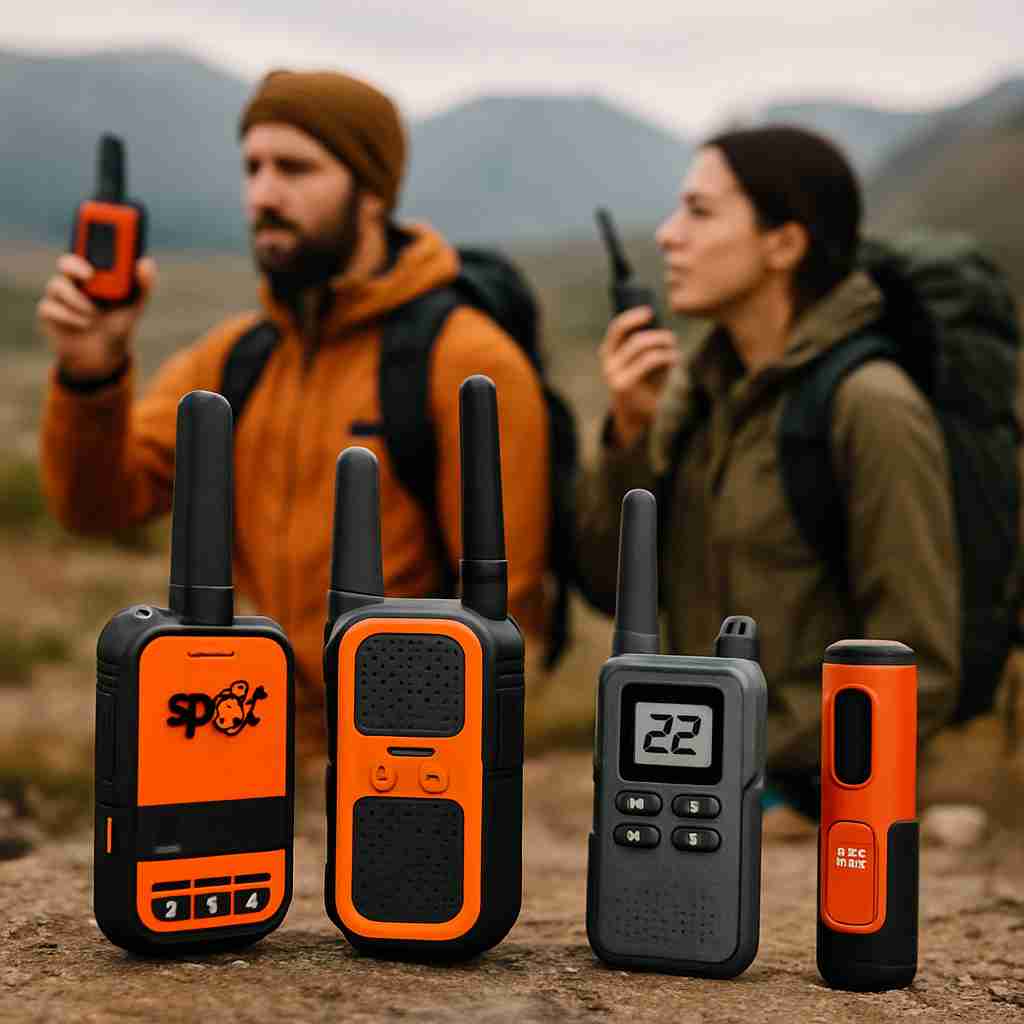
As explorers venture into offsite locations beyond traditional coverage, off-grid messaging devices have emerged as vital tools. When conventional networks drop out, these cutting-edge gadgets guarantee uninterrupted interaction. Leveraging advanced satellite communication technology along with mesh networking protocol, they allow users to exchange information where Wi-Fi and cellular networks fall short. Fundamentally, these standalone communication technology units create flexible networks that often form adaptive, self-organizing frameworks to relay messages efficiently between nodes. This powerful functionality provides adventurers and emergency responders with a reliable lifeline even in the most isolated locations.
Equipped with capabilities like text messaging, autonomous location tracking, and urgent messaging solutions, these devices shine in high-stakes scenarios. Safety is boosted through live location sharing and quick SOS activation via a single press. Their usefulness goes well beyond personal scenarios. Disaster response communication depends heavily on these devices to help teams collaborate amid turmoil. Additionally, they guarantee consistent communication without relying on existing infrastructure. As indispensable instruments for network-free interaction, off-grid messaging devices transform how we stay connected in disconnected environments.
The Role of Satellite Communicators
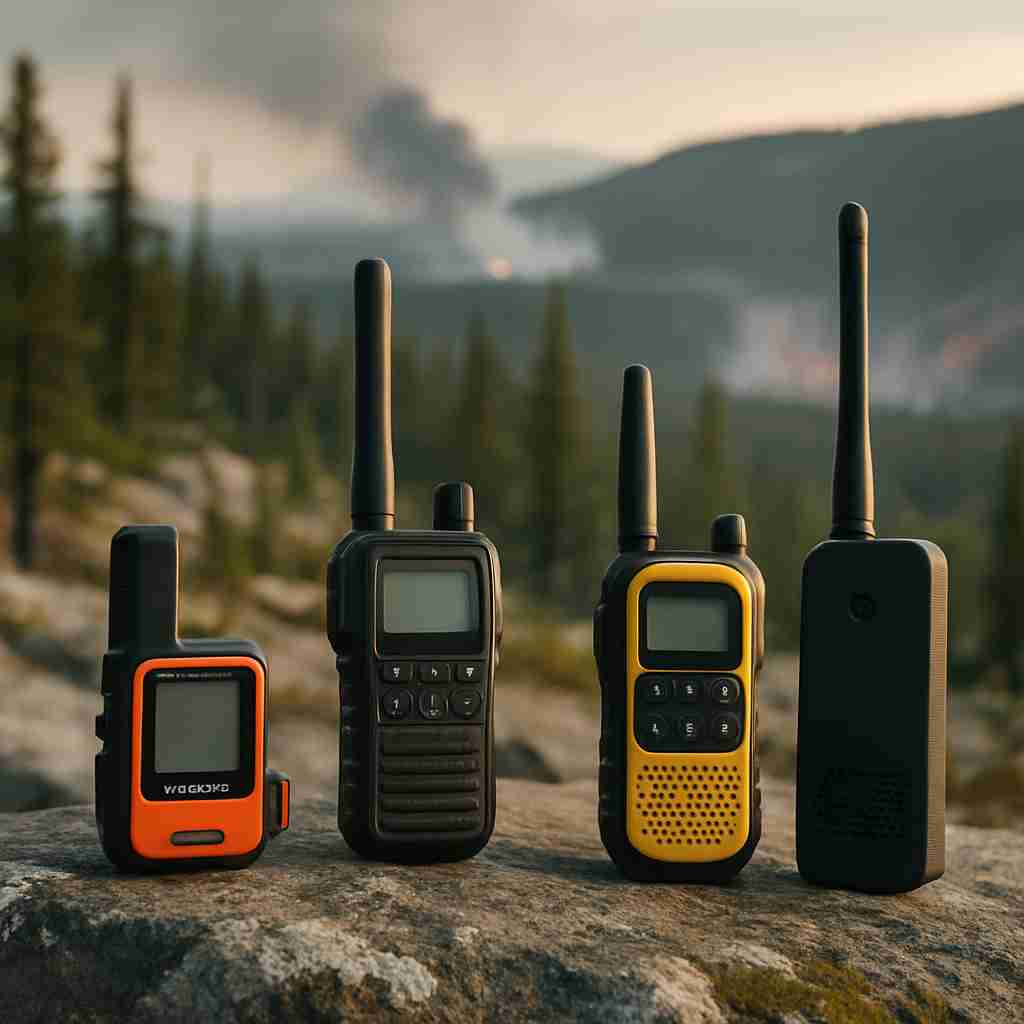
Garmin’s inReach products, prime examples of satellite communication equipment, utilize the powerful Iridium global satellite constellation to guarantee dependable communication even in the planet’s most isolated corners. When conventional mobile networks are unavailable—such as at sea or in remote wilderness—these devices become vital by enabling bi-directional satellite communication. Subscription services are a critical element for these units, supporting features like SOS alerts that allow users to call for assistance during crises, as well as delivering essential weather updates needed for extreme climates or maritime conditions.
Additionally, these satellite communication terminals offer satellite-based breadcrumb navigation and map guidance, which help adventurers retrace their steps—a feature particularly beneficial for those exploring unfamiliar lands. By sustaining continuous communication, they offer invaluable reassurance and safety for solo travelers, researchers, expedition leaders, and other professionals operating in high-risk environments. This uninterrupted connectivity, independent of traditional infrastructure, highlights the strength and promise of satellite communication technology. In the realm of communication without network infrastructure, off-grid messaging devices like these lead the way in providing secure and trustworthy contact for anyone venturing beyond traditional network reach.
Mesh Network Communication: A Robust Alternative
Providing a significant advancement in off-grid communication, mesh networks utilize an interconnected mesh of devices that serve as both transmitters and receivers, delivering exceptional resilience. By removing a single point of failure—unlike conventional frameworks—they guarantee ongoing operation even if individual nodes fail. This capability proves essential in scenarios where communication must be preserved amid infrastructural damage, such as urban areas affected by natural calamities.
One of the most striking mesh network advantages lies in their autonomous mesh networks feature, enabling automatic data rerouting without human intervention to uphold network stability. Each node in these adaptive configurations amplifies the system’s capacity and range, flexibly adjusting to fluctuating requirements. Hence, these networks are ideal for contexts demanding versatile communication platforms, including large-scale events or remote explorations.
Additionally, these mesh networks with satellite integration can merge with diverse communication technologies like satellite communication systems, broadening their adaptability. Their ability to sustain uninterrupted data transfer underscores their promise as efficient, sustainable alternatives to traditional networks, ultimately reshaping our utilization of off-grid messaging devices. This progression in off-grid messaging devices assures wider and more dependable communication coverage.
Portable and Emergency Communication Devices
The necessity for efficient interaction during crises highlights the value of portable crisis communication equipment designed expressly for these environments. This range of emergency messaging systems spans from basic handheld emergency communication devices to advanced frameworks that combine multiple communication technologies. The primary objective remains to enable swift sharing of essential information that coordinates action and guarantees safety. Often, these tools boast durable, weatherproof communication equipment and emphasize user-friendly operation. When emergencies arise, the capability to promptly broadcast critical data can significantly influence results. Consequently, driving innovation and refining portable communication devices continues to be essential for boosting the success of disaster communication technology.
New developments focus not only on cutting-edge advancements but also on the practical versatility of off-grid messaging devices. For example, photovoltaic satellite communication systems now provide dependable messaging capabilities in isolated regions. This flexibility guarantees that vital interaction persists independently of fragile infrastructures that commonly fail during emergencies. Devices such as the off-grid messaging devices seamlessly fit into any emergency toolkit, offering reassurance to both individuals and operational teams. These approaches underscore the significance of intuitive design paired with resilient performance, so users maintain communication despite the challenges they encounter.
Choosing the Right Off-Grid Communication Solution
Choosing the perfect standalone communication networks demands careful consideration of multiple aspects to guarantee dependable remote network connectivity when conventional communication systems fail. The ideal selection depends largely on the setting, whether navigating through thick woodlands or secluded desert zones. For expansive open regions, satellite communication systems offer unmatched reach, keeping you connected regardless of how remote your surroundings are. Conversely, regions characterized by diverse landscapes might find greater benefits in adaptable mesh network systems that form a dependable grid without relying on satellites.
Resilience is another key factor. Devices built to withstand tough conditions, offering water-resistant communication equipment and dust protection, are essential. Equally critical is prolonged battery endurance, as these gadgets need to function autonomously over long durations without frequent recharging. Additional features like GPS and weather forecasting further enrich their usefulness by delivering vital data on the move, helping users make informed choices amid uncertain environments.
Flexibility plays a crucial role in ever-changing surroundings. Often, wireless mesh networking stands out by providing live connectivity that adjusts seamlessly as you move. Alternatively, a satellite communicator ensures unparalleled connection in isolated zones where traditional communication networks falter. By balancing these components against real-world demands and budget limitations, selecting an appropriate solution to overcome communication hurdles in any remote site becomes achievable.
Conclusions
Autonomous communication devices, such as satellite communication systems and mesh network architecture, provide flexible options for staying connected in any setting. By grasping the advantages of each technology, users can select equipment that matches their requirements for dependable communication, even when conventional networks are unavailable. As these remote communication systems continue to evolve, they become essential in supporting connectivity during daily activities and crisis communication strategy alike.